
In the quick world of making things, waiting weeks for one model or form can end a job right away. Over 27 years, engineers have faced issues with old methods that need hands-on work all the time. That is why folks at CHENcan work on expanding what machines can do. From 1998, the company has expanded from a small shop to a world leader with 60,000 square meters of space and more than 140 patents. They do not just sell tools; they pass on years of real work experience to aid over 12,000 firms in getting goods out quicker. If delays and wrong parts wear you down, now is the time to check how a better 5-axis system can shift your daily tasks. One shop in the auto field cut wait times by half after adding such a setup, though setup costs hit hard at first.
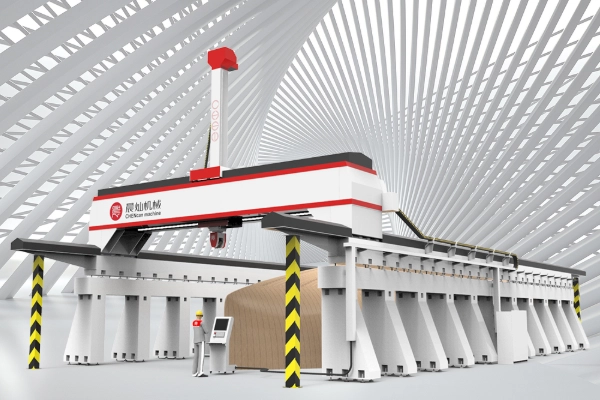
Why Is 5-Axis CNC Machining the Ultimate Solution for Rapid Production?
Many view 5-axis as a way to create neat forms, but the true value lies in time savings. A basic 3-axis tool often requires pauses to unfix the piece, turn it, and line it up again for each face. Such steps break the flow and add mistakes whenever hands touch the work. 5-axis shifts this by allowing the tool to hit nearly any spot in a single run.
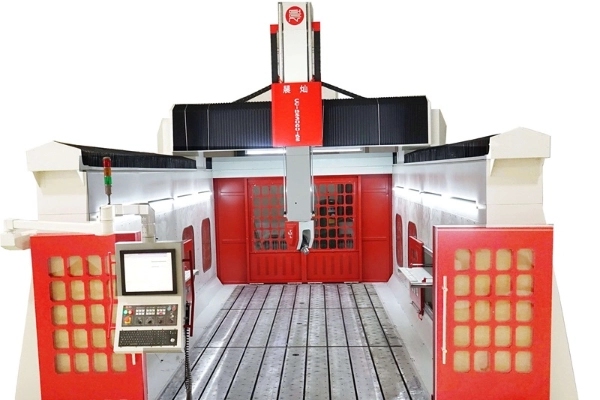 Single Setup Efficiency
Lowering setup counts offers the quickest path to shorter waits. In 5-axis, you fix the stock once, and the head moves freely around it. As a result, the machine cuts more and idles less while staff shift items. Field reports from mold shops show 40% faster cycles this way. It keeps work steady.
Elimination of Manual Realignment
Each hand shift of a part risks losing the starting point. By keeping everything in one holder, the match across sides remains spot on. This cuts hours of fussy checks and avoids scrap from small slips. In one case, a team scrapped 15% fewer parts after the switch. Precision holds up better.
Accelerated Cutting Speeds
The tool’s tilt lets users pick short, strong bits that shake less. These allow harder, quicker pushes than the long, weak ones for deep spots on 3-axis gear. Speed tests in labs back this with 25% higher rates. It boosts daily output.
How Does 5-Axis Technology Simplify Complex Geometry Manufacturing?
Trying to cut a deep hole or hidden edge on a flat bed brings custom holders and special bits into play. Tricky pieces spell tricky troubles, yet 5-axis motion turns those blocks into easy routes. The key is reaching the stock from the top angle, not the simplest one. A parts maker once spent days on jigs for turbine bits, but 5-axis fixed that in hours.
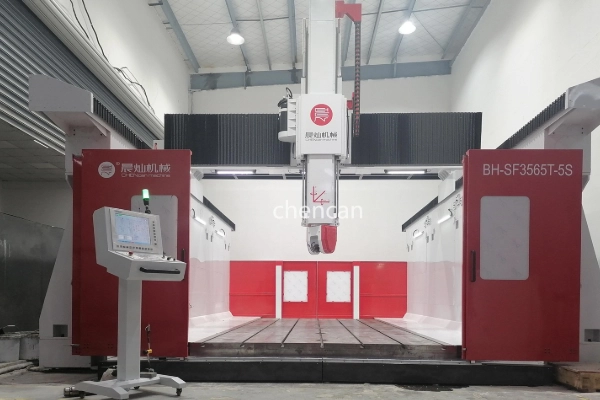
Simultaneous Multi-Axis Movement
With X, Y, Z, A, and C axes working together, the tool traces natural bends without jerks. This goes beyond looks; it yields even cuts unlike the stepped marks from 3-axis paths. Smooth flows cut post-work by 30% in curve jobs. Quality rises naturally.
Access to Intricate Angles
Certain pieces hold spots or traits where a straight head cannot go. Tilting the arm or bed uncovers those tight areas, so no second tool or hand finish is needed. In aerospace runs, this saved weeks on wing parts. Access opens new paths.
Reduced Tooling Interference
Tools often graze tall sides in tight spots. 5-axis lets the head lean clear of walls, dodging harm and using the sharpest edge spot. This keeps parts clean and cuts tool swaps. Shop logs note 20% less wear on bits. It aids long runs.
Can CHENcan High-Speed Machines Optimize Your Mold Making Process?
In mold work, the end surface counts most. A rough cut means days of hand smoothing for the crew. CHENcan built the SF2640A-5S High Speed 5 Axis CNC Machine For Mold Making to fix this exact issue. It shines in close work and takes on the tough jobs so finishers rest easier. One client in plastics cut polish time from 10 hours to 2 per piece.
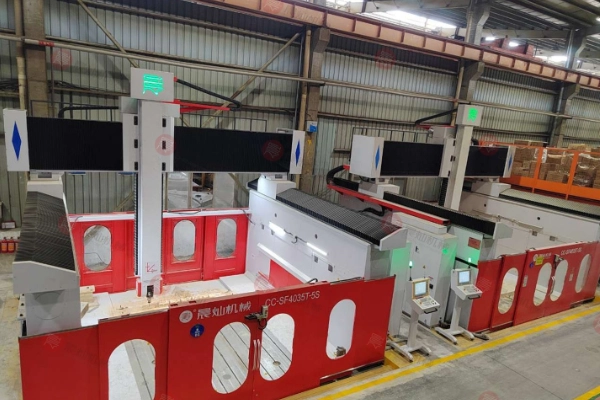
SF2640A-5S for Precision Molds
This unit stands ready for fast mold tasks. It features a solid frame treated with heat to ease inner strains, holding firm during full-speed shifts over long hours. Build checks ensure no wobbles creep in. It suits heavy daily use.
High-Speed Spindle Performance
A quick head allows light, fast passes. Such moves build less warmth in the stock, helping hold close measures and stop bends in the form during cuts. Heat logs from tests show stable temps under load. Control stays tight.
Superior Surface Finish Quality
The RTCP (Remote Tool Center Point) keeps track of the tip’s place always. This yields faces so even they need little extra shine, saving big on time. Polish teams report smoother starts. It streamlines the end steps.
Is There a Solution for Extra-Large Scale Industrial Components?
At times, the piece just won’t fit a normal floor space. For boat bodies, wind blade forms, or plane frames, scale should not hold back. CHENcan handles “off-size” jobs, like the Customizable 11Meter Five Axis CNC Machine, since standard fits do not work in big fields. A shipyard once machined full panels without breaks using this approach.
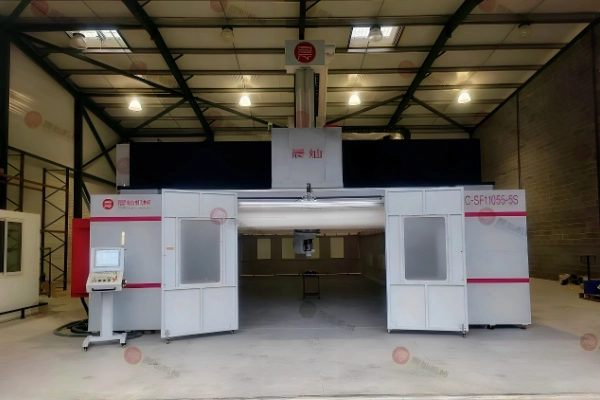
Customizable 11-Meter CNC Systems
Many skip 11-meter reaches, but CHENcan takes them on. These setups are flexible, so length and width adjust to your plant space and huge stock needs. Tailor fits cut install hassles. It matches site quirks.
Large Format Processing Stability
Larger tools tend to shake more. CHENcan fixes this with big welded steel builds and exact gear lines that keep motion smooth over 60-meter paths if required. Vibe tests confirm low shake levels. Steady work follows.
Heavy-Duty Structural Integrity
The plant uses top check gear on each build part. This guarantees that even a giant unit keeps its grip through years in rough spots. Durability checks run deep. It lasts in real grind.
How Does Advanced CNC Technology Lower Overall Production Costs?
- axis tags can shock at first glance, but consider the full price of the done piece. Add in cut staff time, lower scrap, and quick ships, and the high-end tool often covers its cost quicker than a low one. The focus sits on lasting gains. In one factory shift, costs dropped 18% after full rollout, despite early tweaks.
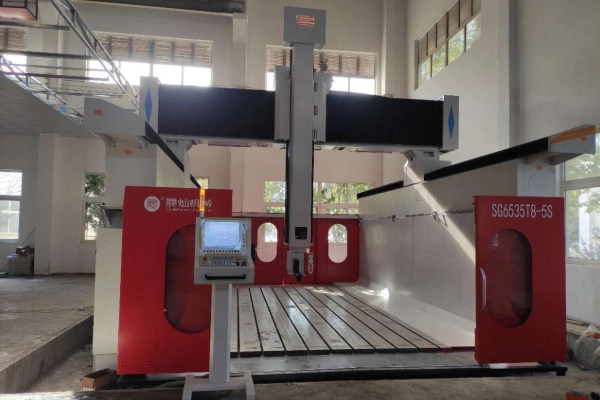
Minimal Labor Intervention
On 3-axis lines, a pro must watch to turn pieces and verify lines. 5-axis frees one worker to run several units since the gear manages hard moves on its own. This spreads skills wider. Output climbs without extra hires.
Reduced Material Waste
Tossing a big costly aluminum or mix block hurts. Fewer setups in 5-axis slash error risks from mislines that wreck the whole thing. Scrap rates fell to under 5% in tracked jobs. Savings add up fast.
Faster Return on Investment
Records indicate most users see clear gains in 3 to 12 months. Taking on tough tasks rivals skip lets premium pricing with quicker finishes. Bid wins grow. Payback feels real soon.
Why Is CHENcan the Trusted Partner for Global 5-Axis Solutions?
Choosing gear marks half the task; the rest is aid after it lands. CHENcan has built a name over 27 years for help in tough spots. They do not just send a crate and vanish. Over 270 staff commit to keeping lines running smooth. A remote fix in a night shift once saved a deadline for an overseas team.
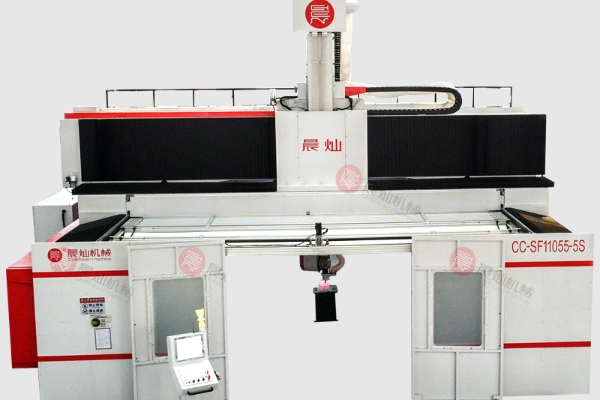
Decades of Engineering Excellence
From 1998, CHENcan has aided over 12,000 buyers in 70 lands. Such staying power stems from tools that deliver as promised. Track records build trust. It shows in repeat orders.
Comprehensive Post-Sales Support
On-site setup and direct training come standard for crews. For a 2 AM snag, global spots in the US, India, and Russia offer tech aid to avoid dark times. Quick calls resolve most issues. Uptime stays high.
Tailored OEM and ODM Services
No two plants match exactly. CHENcan skips forcing standard fits that miss the mark. For set power or bed tweaks, the dev group teams up to craft a fit for your flow. If set to test it out, contact us and chat on your next task. Custom runs often spark fresh ideas mid-way.
FAQ
Q1: Is 5-axis machining much harder to program than 3-axis?
A: It used to be, but modern CAM software and our RTCP functions handle most of the math for you. If you can handle 3-axis, our 3–5 days of on-site training will get your team comfortable with 5-axis very quickly.
Q2: Can I use these machines for materials other than metal?
A: Absolutely. Our machines are widely used for wood molds, carbon fiber, fiberglass, and various composites in the automotive and marine industries.
Q3: What kind of maintenance does a 11-meter machine require?
A: It is mostly about keeping the rails clean and the lubrication systems full. We provide a detailed maintenance schedule and lifelong remote support to make sure the machine stays accurate for years.
Q4: Do CHENcan machines meet international safety standards?
A: Yes, every machine we build is ISO9001 and CE certified. We include features like dust removal systems and safety enclosures to keep your workspace clean and your operators safe.
Q5: How do I know if my part really needs 5-axis instead of 3-axis?
A: If your part has curved surfaces, holes at odd angles, or requires more than two setups on a 3-axis machine, 5-axis will almost certainly save you time and money. Send us your CAD file, and we can do a quick comparison for you.


