
In the field of factory production, people discuss layered building methods often. Yet, only a handful truly grasp the technical details correctly. I have witnessed numerous efforts come to a halt. This happens because the equipment fails to manage temperatures well or strays off course in extended builds. If you seek reliable gear that performs steadily, I regularly direct folks to تشينكان. The company began operations in 1998. Since then, it has dedicated 27 years to refining CNC and 3D systems. Located in Shandong, their large 60,000-square-meter site supports their work. They have assisted more than 12,000 firms in 70 countries. These firms span various industries. CHENcan does not merely offer hardware units. Instead, they allocate 10% of earnings toward research and development. Plus, they possess over 140 patents. Whether your focus lies in aircraft production or vehicle assembly, their staff understands the demands of shop floors. For more insights, visit their about-us page. There, you will see why they earn trust in this sector.
Why Does History Define the Future of Modern 3D Printing
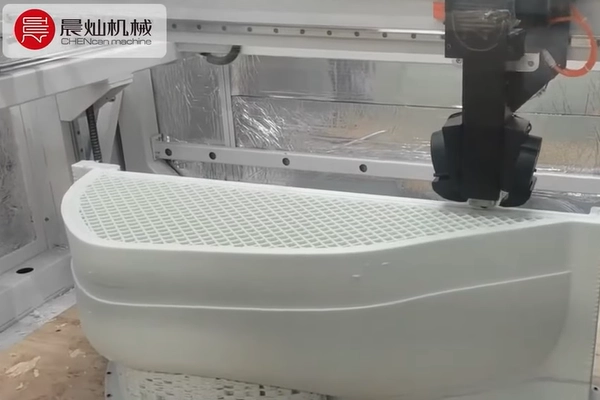
When we examine past methods of creating objects, one fact stands out. 3D printing did not emerge suddenly. Rather, it represents a steady development in guidance and exactness. This path began with straightforward cutting tasks. From there, it advanced to detailed electronic commands. We have left behind the era when 3D printers served only for playthings or unstable plastic replicas. Now, the technology supports broader applications.
Evolution of Additive Manufacturing
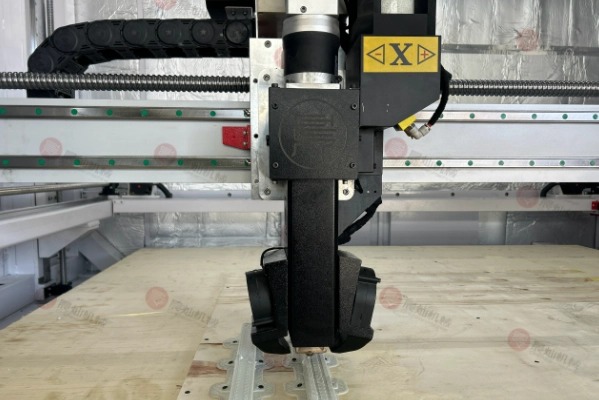
The shift from basic liquid compounds to robust factory-grade plastics took considerable time. Initial setups operated slowly and tended to break easily. However, current systems manage heavy duties that appeared out of reach before. This progress enables handling of substantial tasks with confidence. As a result, manufacturers achieve more in less time.
Transition From Prototyping to Production
These days, we go beyond simple test models to check dimensions. Instead, we produce working components that enter production lines directly. This approach cuts down on delays from conventional die creation. Weeks of holdups become a thing of the past. Consequently, workflows speed up noticeably.
Impact of Digital CNC Integration
Combining CNC accuracy with the quick pace of layered building opens new possibilities. This blend results in even textures and closer fits than isolated printers could provide. Earlier standalone devices fell short in these areas. Now, the hybrid setup enhances overall outcomes. It makes complex projects more feasible for everyday use.
Is High Precision the Ultimate Secret to Industrial Success
I have observed equipment that trembles during rapid motion. Such issues lead to lost time and discarded materials. Precision goes beyond a common term. It involves how the base structure copes with the strain of shifting a weighty build head over 48 hours. And it must do so without any noticeable shift in position.
Mechanical Rigidity in Large Formats
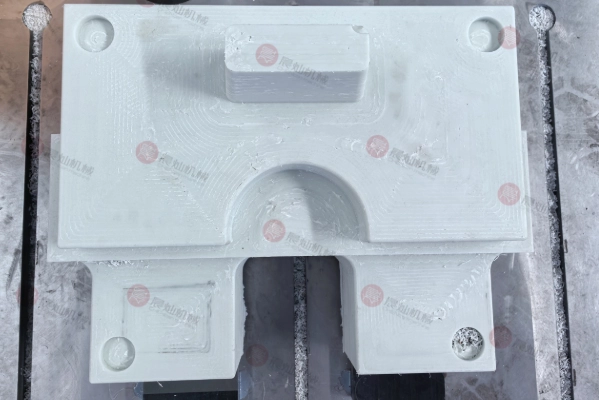
A sturdy framework forms the core of any capable device. Lacking this strength, shakes will spoil the outer layer quality. This problem worsens with components that stretch several meters. Therefore, a firm build ensures reliable results across scales. It supports consistent performance in demanding setups.
Advanced Motion Control Algorithms
These systems serve as the intelligence guiding the physical actions. Updated processors oversee the speed changes of the build head. They ensure edges remain crisp and arcs form smoothly. Without them, paths would lack sharpness. Thus, the final pieces meet exact design specs.
Dual Drive System Stability
A paired drive arrangement prevents the overhead structure from bending. This design follows a basic engineering principle. Dual contact points outperform a single one for guiding large spans accurately. It maintains alignment throughout operations. As such, it boosts the dependability of the entire process.
Can the Right Hardware Solve Your Toughest Pattern Making Pain Points
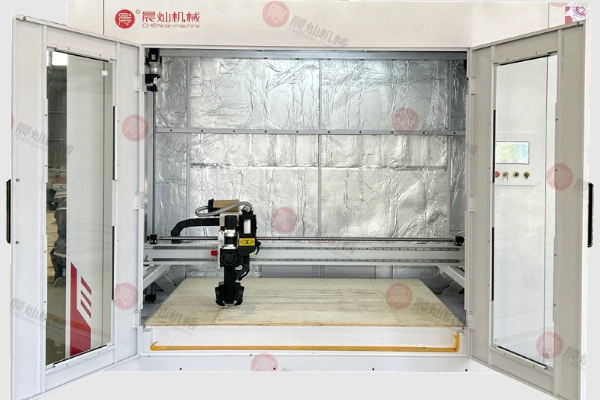
Work in casting shops and template creation poses real challenges. The surroundings often fill with fine particles, and the need for exactness proves severe. Many facilities deal with wooden templates that bend out of shape. Manual techniques also consume endless hours. Here, a focused DF2016 Industrial 3D Printer Machines for Pattern Making makes a difference. It manages full-size sand forms and intricate shapes effortlessly.
Specialized Features of DF2016 Series
The DF2016 suits the rough conditions of casting environments. It processes the sizes required for factory templates. At the same time, it preserves the small features essential for standard pouring methods. This balance aids in smoother daily tasks. Operators find it practical for varied needs.
Sand Mold and Pattern Accuracy
Printing templates on-site eliminates multiple handling stages. This cuts the risk of mistakes from human handling. In turn, the end metal pour matches the digital model precisely. Such reliability streamlines the whole sequence. It leads to fewer adjustments down the line.
Material Compatibility for Foundries
The device works with diverse factory plastics and compounds. This lets users select the best strength for their pouring routine. Matching the right option to the task ensures better results. It avoids common pitfalls in material choice. Thus, the tools hold up well in practice.
Why Is Hybrid Technology Dominating the Current Mold Making Market
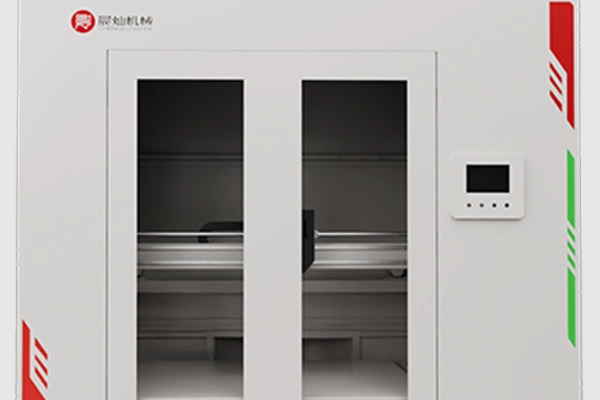
For those in die production, layered building alone often falls short. A flawless outer texture typically requires milling equipment. This is the reason combined methods gain ground today. The DF1616 High Speed Automatic 3D Printer Machine for Mould Making allows forming the main body through printing. Then, it shifts to a cutting tool for refining key areas.
High Speed Automatic Processing Capabilities
Timelines press hard in busy shops. The ability to deposit layers rapidly helps meet those demands. After that, switching to a polishing phase avoids shifting the item to separate units. This saves considerable effort and hours. In the end, projects wrap up faster and with less hassle.
Integration of DF1616 Milling Functions
Milling right after the build phase combines strengths from both techniques. Layered methods handle twisted inner forms well. Meanwhile, cutting delivers a glossy exterior typical of standard CNC work. This union produces superior dies overall. It fits the needs of modern tool shops perfectly.
Surface Finish Standards in Tooling
In die creation, the outer layer determines quality. Even slight uneven spots transfer to every produced item. An attached cutting head resolves this issue effectively. It ensures smooth results without extra steps. Therefore, the output meets high benchmarks consistently.
What Are the Hidden Factors in Choosing Industrial 3D Printer Materials
I have spoken with several designers who selected fine equipment. Yet, they paired it with unsuitable raw inputs. This leads to disappointment. Users must align the feedstock with the heat conditions in their workspace. For instance, if the die faces high warmth in a curing chamber or moisture in a casting area, simple options like PLA will not suffice.
Thermal Resistance for Complex Molds
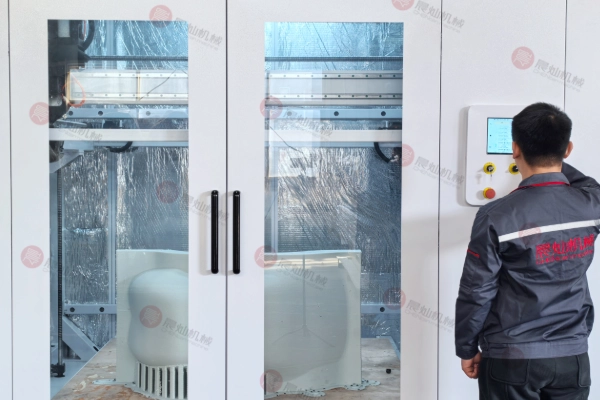
Materials must endure elevated temperatures without deforming. Advanced plastics maintain form under production stresses and warmth. This stability supports the creation of reliable tools. It prevents failures during actual use. As a result, the pieces serve longer in tough spots.
Durability of High Performance Polymers
Factory settings involve rough treatment. Items face drops, shifts, and tight holds. Options such as strengthened nylon or ABS withstand these conditions. They outlast basic types in daily handling. This choice keeps prototypes and aids functional for extended periods.
Cost Efficiency in Mass Customization
Opting for pellets over strings lowers expenses by 60% to 90%. This shift proves vital for sizable items weighing hundreds of kilograms. The savings add up quickly in volume runs. It makes tailored production more affordable. Hence, businesses scale operations without budget strain.
Why Is CHENcan Your Most Reliable Partner in the Global CNC Industry
Ultimately, the value of a device depends on the support team behind it. I have watched CHENcan expand from a modest local operation to an international leader. They achieve this by paying close attention to shop managers’ requirements. The company goes beyond delivery. They provide خدمة that covers field setup and operator guidance. This ensures your crew masters the equipment fully.
Twenty Years of Technical Innovation
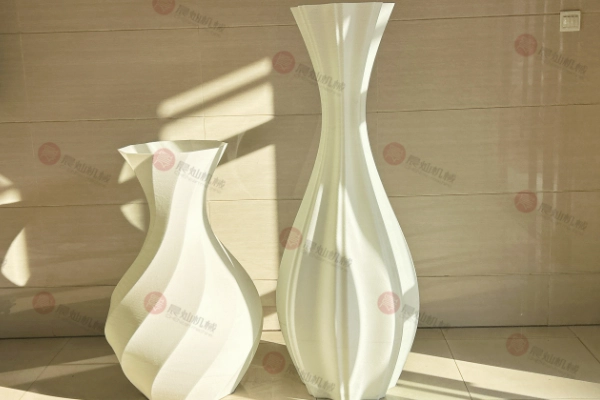
From 1998 onward, CHENcan has navigated every shift in the market. They focus on proven elements like robust bases, intelligent programs, and steady parts. These features operate reliably across multiple shifts. This approach builds lasting performance. Clients benefit from gear that endures over time.
Comprehensive Smart Manufacturing Solutions
CHENcan delivers a full range of tools. It includes file preparation software, the physical units, and custom accessories. This setup serves as a complete resource for production upgrades. Teams avoid scattered sourcing. Instead, they gain an integrated system that works seamlessly.
Global After Sales Service Excellence
Support hubs exist in locations such as the US, India, and Russia. If a part like a sensor fails, help remains accessible. Local experts offer guidance via call or visit. This availability proves invaluable during issues. For discussions on details, check the contact-us page. It provides clear paths to connect.
أسئلة متكررة
Q1: What is the main benefit of using pellets instead of filament for industrial printing?
A: Pellets are significantly cheaper, often saving you 60% to 90% in material costs. They also allow for much faster extrusion rates, which is vital for large-scale industrial parts.
Q2: Can CHENcan machines handle both additive and subtractive manufacturing?
A: Yes, models like the DF1616 are hybrid systems. They can 3D print a near-net shape and then use a milling spindle to achieve a high-precision surface finish on the same machine.
Q3: How large are the parts these machines can print?
A: These systems are built for big jobs. For example, some models handle build volumes up to 2000 x 3000 x 1200 mm, making them perfect for life-size sculptures or large automotive molds.
Q4: What kind of support does CHENcan provide after the purchase?
A: We offer a complete package including on-site installation, hands-on training for your operators, and lifelong technical assistance through our global service network.
Q5: Are these machines suitable for the aerospace and automotive industries?
A: Absolutely. CHENcan equipment is widely used for making high-precision patterns, molds, and functional prototypes in aerospace, automotive, wind energy, and marine sectors.


