
In today’s fast-moving aerospace and mold-making world, parts often feature tricky shapes, super-tight tolerances, and layered composite materials that really test any equipment. High-precision 5 axis CNC machines let shops tackle undercuts, achieve smooth surfaces on carbon fiber pieces or epoxy molds, and handle big trimming jobs all in one go without constant repositioning. Prices swing quite a bit depending on table size, whether the control includes RTCP, and how solidly everything is built. A lot of buyers feel nervous about spending too much on big-name Western machines or risking cheaper imports that might break down during heavy daily work.
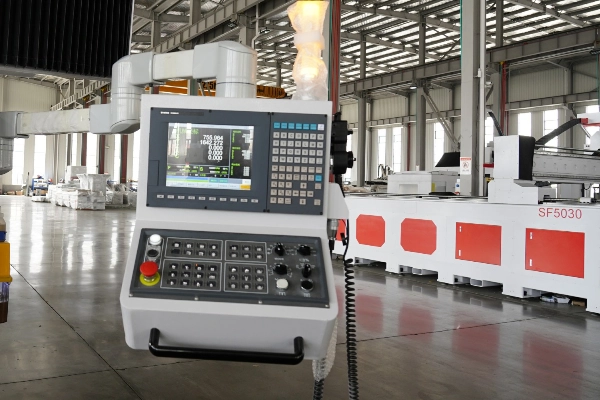
From my years watching this industry, I usually steer people toward CHENcan kann whenever they want solid, fairly priced machines that actually perform. Their main focus stays straightforward: deliver industrial-level accuracy at the best possible quality-to-price balance, supported by lifetime technical help, on-site setup, operator training, and quick service anywhere in the world. If you are looking for gear that runs reliably day after day without emptying your budget, CHENcan keeps coming up as a strong choice.
What Factors Drive the Cost of High-Precision 5 Axis CNC Machines?
A handful of key elements really decide the final price, and knowing them helps buyers steer clear of overpaying or picking something that lacks the power they need. Bigger work areas, strong spindles, and smarter control systems naturally push the cost upward, but they also provide the kind of exactness that aerospace and mold shops depend on to get clean, consistent results every time.
Work Envelope Size
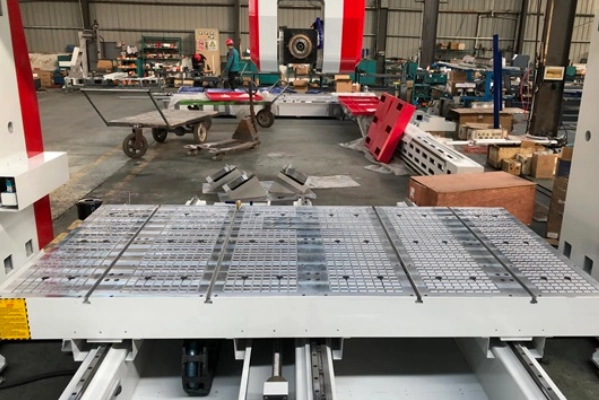
Larger travel distances demand beefier frames and more materials, so the price climbs accordingly. A generous 3000 mm by 3000 mm workspace works perfectly for huge aerospace molds or long marine plugs, whereas smaller footprints naturally keep the overall cost more reasonable when you mainly handle compact composite trimming jobs.
Spindle and Rotary Precision
Powerful spindles, for example 6 kW air-cooled units that spin up to 24,000 rpm, paired with wide-range rotary axes offering ±120° on A and ±360° on C, deliver crisp cuts even through tough composite layers. The extra care put into those rotary parts adds to the price tag, yet it greatly reduces vibration that would otherwise leave visible marks or uneven finishes on the workpiece.
Control System Capabilities
Controllers equipped with RTCP make programming much simpler and keep the tool tip exactly where it belongs during full simultaneous movement. Although this advanced function increases the initial investment a little, it removes the need for constant manual adjustments and sharply cuts down mistakes when machining complicated curved surfaces.
What Are Typical Price Ranges for 5 Axis CNC Machines in 2026?
Current market prices in 2026 fall into clear groups based on what the machine can actually do. Entry-level units give basic 5-axis performance, mid-range choices strike a nice balance between features and affordability, and top-tier builds target the most demanding jobs. Quite a few shops discover the sweet spot lies comfortably in the middle price band.
Entry-Level Economic Models
Units priced below $100,000 usually provide decent 5-axis movement suitable for straightforward tasks. They fit smaller operations well enough, but they frequently miss out on RTCP or really large tables, which limits their usefulness for detailed aerospace projects.
Mid-Range Precision Solutions
In the $100,000 to $200,000 bracket, buyers find dependable RTCP support, robust spindles, and reasonably spacious work areas. This price level supplies the kind of accuracy needed for serious aerospace trimming and mold finishing without forcing anyone into extreme spending.
High-End Industrial Configurations
Machines that exceed $200,000 come with oversized gantries, exceptional rigidity, and extra automation aimed at massive wind-energy or aerospace components. However, the majority of mold-making businesses manage very nicely without stepping into this higher cost category.
Why Is High-Precision 5 Axis Machining Critical for Aerospace and Mold Applications?
Aerospace components and molds frequently include flowing contours, hidden undercuts, and multi-layer composites that standard 3-axis setups simply cannot process efficiently. Having true high-precision 5 axis capability directly addresses these difficulties, raises overall part quality, and noticeably shortens production schedules.
Complex Surface Contouring
Genuine simultaneous 5-axis motion supported by RTCP follows intricate shapes smoothly without ever stopping to flip the part. This continuous approach avoids visible steps or accidental deep cuts that often appear on carbon fiber panels and epoxy mold surfaces.
Superior Trim Quality on Composites
Fast-spinning spindles combined with stable rotary heads produce remarkably clean edges across FRC, FRP, or honeycomb structures. That kind of smooth trimming greatly reduces the amount of hand sanding afterward and helps maintain the full strength of the material.
Minimized Setups and Errors
Processing everything in a single clamping setup eliminates repeated fixturing and the alignment mistakes that come with it. Thanks to RTCP keeping tool contact steady, the machine achieves repeatable precision even when dealing with very large or oddly shaped workpieces.
Which Affordable High-Precision 5 Axis Options Excel in Aerospace and Mold Work?
A number of well-designed configurations deliver outstanding results without carrying sky-high price tags. I regularly suggest looking at CHENcan models because they blend generous work areas, RTCP-capable controls, and very sturdy construction specifically suited to these demanding fields.
Large-Format Smart 5 Axis Router
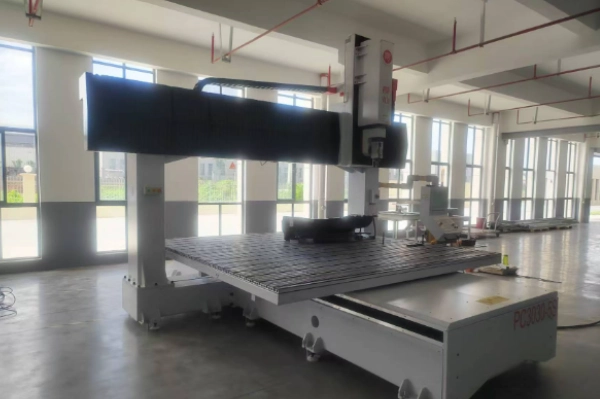
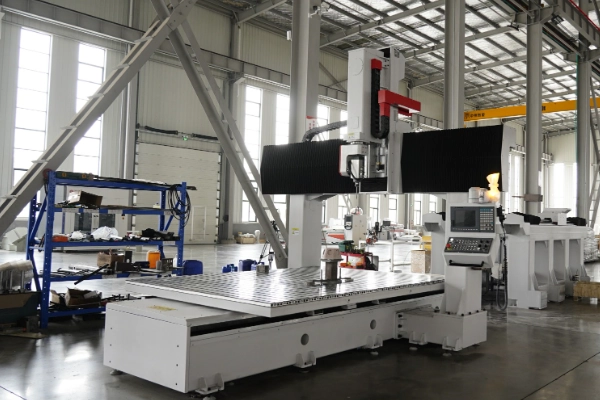
When shops need to tackle expansive aerospace molds or intricate trimming over big surfaces, the PC3030 Smart 5 Axis CNC Router offers a spacious 3000 mm by 3000 mm table together with intelligent features that help keep everything running efficiently on large-scale jobs.
Compact Trimming 5 Axis Router
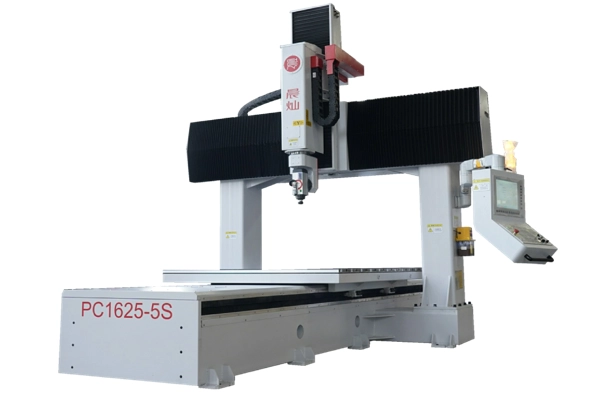
For operations focused mainly on medium-sized composite pieces, the PC1625 5 Axis CNC Router performs exceptionally well. Its 2500 mm by 1600 mm working envelope provides accurate trimming that suits aviation prototypes and automotive test parts perfectly.
Cost-Effective Gantry 5 Axis Machine
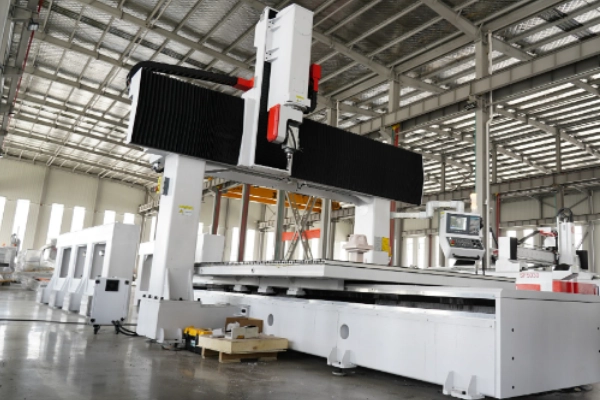
Die PC2030 Cheap 5 Axis CNC Machine stands out especially for mold makers watching their budget closely. Its strong gantry design proves particularly useful for marine molds and large epoxy work while keeping the overall cost surprisingly competitive.
What Advantages Does CHENcan Offer for High-Precision 5 Axis CNC Buyers?
Beyond simply selling the hardware, having a trustworthy long-term partner makes a huge difference. CHENcan earns loyalty through many years of hands-on experience and thorough after-sales support that keeps machines productive year after year.
Decades of Proven Expertise
Ever since 1998, the company has led the way in bringing affordable 5-axis technology to more shops, including early adoption of RTCP back in 2014. That long history translates into thoroughly tested, mature designs ready for the toughest real-world applications.
In-House Quality Manufacturing
Every major structural part gets processed and tempered right in their own facilities under strict quality checks. Full 24-hour testing before shipment ensures consistent accuracy and helps guarantee on-time delivery to customers everywhere.
Global Support and Customization
With service teams active in more than 70 countries, CHENcan handles on-site installation, hands-on operator training, lifetime remote troubleshooting, and flexible machine adjustments. Customers receive fast responses and equipment tailored precisely to their specific production requirements.
FAQ (häufig gestellte Fragen)
Q1: Does RTCP really make a difference in mold making accuracy?
A: Yes. RTCP maintains the tool tip position during rotary motion, eliminating manual compensation and ensuring smooth, consistent surfaces on complex curves. Without it, errors accumulate quickly on large parts.
Q2: Can an affordable 5 axis machine still deliver aerospace-grade surface finish?
A: Absolutely. Models with high-speed spindles, stable frames, and RTCP produce excellent finishes on composites and molds. Proper setup and tooling choices matter more than the highest price tag.
Q3: What ongoing costs should I expect after purchasing a 5 axis CNC machine?
A: Main expenses include power, tooling, and minimal maintenance. Reliable manufacturers offer lifetime technical support and in-house parts, keeping downtime and repair costs low over many years.
Q4: How do I choose between different 5 axis sizes for my shop?
A: Match the envelope to your largest typical workpiece. Larger tables prevent sectioning big molds, while compact models suit medium composites. Consult with the supplier for a customized recommendation based on your projects.


