
Picking the proper material ranks as a key choice in industrial 3D printing. A printer might run quickly, stay steady, and have solid construction. Yet if the material does not suit the component, the whole operation can still go wrong.
This holds especially true for big-scale output. When you create patterns, molds, tools, prototypes, or working structures on an industrial level, the material pick influences size accuracy, surface look, print dependability, finishing duration, and overall project expense.
For makers, the main issue goes beyond just finding the toughest material. It involves selecting the one that best suits the task, the work setting, and the desired outcome.
At CHENcan kann, big-scale additive projects often get assessed from a task-focused viewpoint. This approach begins with the part’s purpose. Then it pairs the material and gear to match.
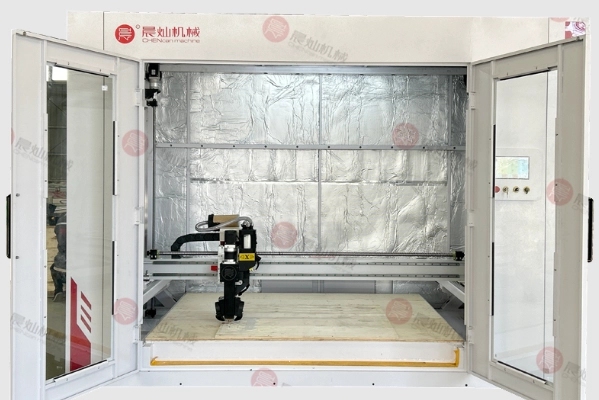
Why Material Selection Matters in Industrial 3D Printing
In compact desktop printing, a bad material pick might only cost a bit of time. However, in industrial big-format printing, the effects prove far greater.
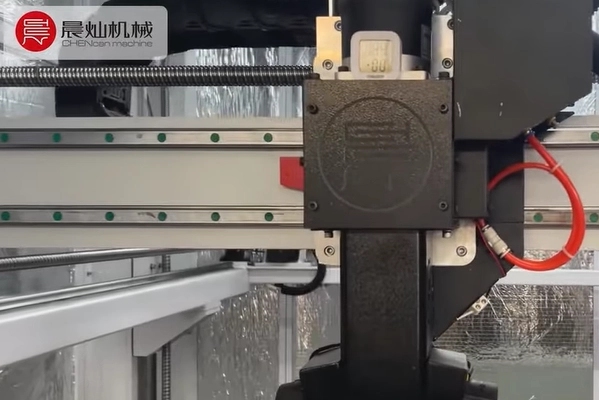
A large printed part can take many hours or even days to finish. For that duration, the material needs to keep steady under warmth. It must also maintain its form during layer stacking. Plus, it should work well in after-print steps or actual application. If the material does not fit, issues like twisting, breaking, loose layer links, rough surfaces, or extra finishing tasks can arise.
That explains why material choice deserves treatment as a full process step. It should not just serve as a simple buying choice.
1. Start with the Actual Application
The initial move always involves outlining the printed part’s role.
Are you making a visual prototype? Or perhaps a foundry pattern? It could be a mold component, a composite tool setup, a trimming fixture, or a light-duty working piece.
Various tasks demand different qualities from the material. For instance, one that handles display models fine might not hold up in tool or pattern settings at all. If the part serves mostly for looks check, focus on quick printing and simple finishing. But when it enters production, factors like toughness, warmth resistance, size steadiness, and fit for later steps gain top importance.
2. Check Thermal Stability Early
In industrial printing, how the material handles heat counts a great deal.
Big builds mean lower layers bear the entire weight for a long while. If the material gives way too soon or reacts badly to chamber settings, the part could warp before completion. Moreover, thermal steadiness proves vital if the printed item faces later exposure to high shop warmth, curing spots, sanding and coating tasks, or mold and tool processes.
A reliable material ensures the part keeps its form. It also cuts down on twist risks and aids in steady outcomes.
3. Evaluate Layer Bonding and Structural Reliability
Industrial printed items often require more than basic looks. Even if it is not the final product, the part may still need solid build for moving, handling, cutting, coating, or shop tasks.
Strong layer sticking creates a tighter, more dependable form. Weak bonds, on the other hand, can cause splits, soft borders, breaks during finishing, or breakdowns under normal stress. When checking a material, consider if it sticks well over extended print times. Also, see if it holds big wall areas without getting brittle. Finally, confirm its fit for planned after-work steps.
4. Think About Surface Finish and Post-Processing
A material does not have to leave the printer flawless. But it should allow smooth finishing work.
In factory settings, printed parts commonly get sanded, coated, filled, sealed, or prepped for pattern and mold roles. Certain materials ease that effort. Others drag out the labor a lot. If your group aims for a cleaner end look or less manual work, pick a material that handles sanding, coating, filling, sealing, and minor fixes well. Such a choice boosts overall output speed.
5. Consider Chemical and Workshop Compatibility
Certain industrial parts face resins, release agents, glues, cleaners, or common shop chemicals.
Thus, material picks must account for setting fit. A material might print smoothly but cause issues down the line if it clashes with nearby substances. For tool, pattern, and support items in production, chemical resistance matters as much as ease of printing.
6. Balance Cost Against Real Performance Needs
A pricier material does not always mean a superior pick.
Often, the wise path is the material that steadily meets task demands without extra expense. If a basic industrial-grade option already provides enough steadiness, finish, and handling, no need exists to switch to a costlier special type. This point weighs heavy in big-format jobs, where material use runs much higher than in small prints.
The smart query is not “What is the top material?” Instead, it is “What suits this task?”
7. Match Material Strategy with Large-Format Equipment Capability
Material selection and machine ability go hand in hand.
In big-format industrial printing, even supply, uniform extrusion, managed warmth levels, and machine firmness all shape material success. A fine material can yield bad results if the gear fails to handle constant work. That is why task pairing counts. The printer, material, and output goal form one linked system for review.
For instance, in big mold, pattern, and tool tasks, makers typically focus on steady long runs, expected part forms, easy finishing loads, consistent output, and material fit for later steps.
How CHENcan Approaches Material Matching
CHENcan’s additive focus avoids basic consumer printing ways. It centers on industrial application, particularly where big output, tool worth, and step blending play key roles.
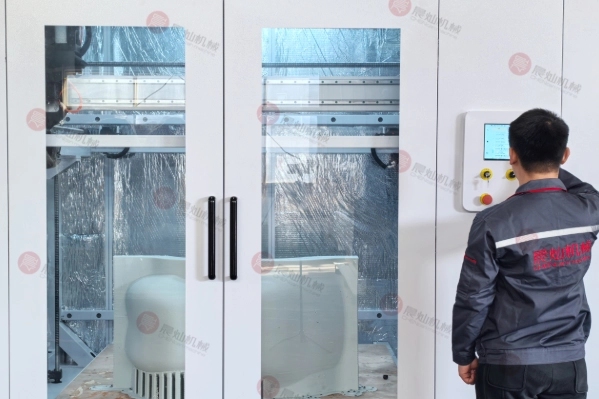
When assessing a project, core questions often include the part’s purpose, its scale, planned after-print finishing, need for size steadiness or visual focus, entry into mold, pattern, or tool flows, and top aims like speed, build reliability, or surface prep.
This task-led check avoids the usual error of picking material by fad, cost, or routine only.
Final Thoughts
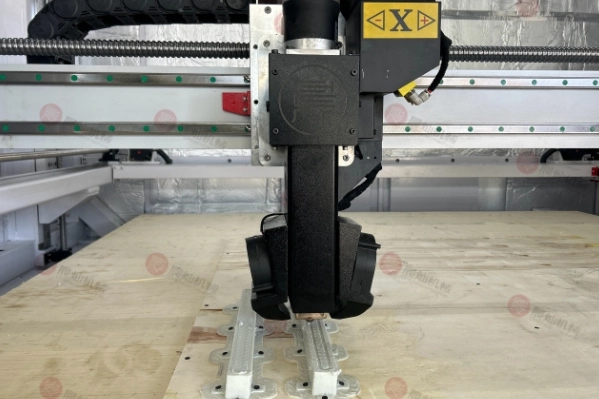
Material picking in industrial 3D printing never qualifies as a small issue. In big-scale output, it shapes print success odds, finishing work, output steadiness, and total expense directly.
The proper material aligns the task, the machine, and later steps as a unit.
If your effort covers big molds, patterns, tools, or industrial composite tasks, review material plans early. Do not wait to fix print issues later.
CHENcan kann backs this by viewing the true task first. Then it pairs the print setup to the output aim.
FAQ (häufig gestellte Fragen)
- What matters most when choosing material for industrial 3D printing?
The top factor is task match. Select material based on part role, scale, warmth settings, finishing demands, and later uses.
- Is the strongest material always the best choice?
No. A tougher material might cost more, resist finishing, or exceed task needs. The ideal pick fits process demands in an effective way.
- Why is thermal stability important in large-format printing?
Big prints last longer and stress lower builds more. Weak thermal hold can spark shape changes, faulty forms, or build failures.
- Should post-processing affect material choice?
Yes. If the part faces sanding, coating, sealing, or light cutting, the material must aid that flow smoothly.
- How should manufacturers make the final decision?
They need to weigh material, printer skills, part scale, and use demands as a whole. Treat them as linked choices, not standalone ones.


