
I’ve dedicated more than 27 years to aiding makers in tackling practical hurdles in building refrigerated trucks, leisure vehicles, and custom vehicle enclosures. So, I can confirm that the answer is affirmative—sandwich panels indeed cut substantial time and expense when handled properly. These light composite boards offer solid thermal protection, quick joining, and lower vehicle mass, which in turn trims fuel expenses and increases load limits for your clients. Still, plenty of workshops deal with problems such as inaccurate slices, layer splitting, high scrap rates, and sluggish output that diminish those gains.
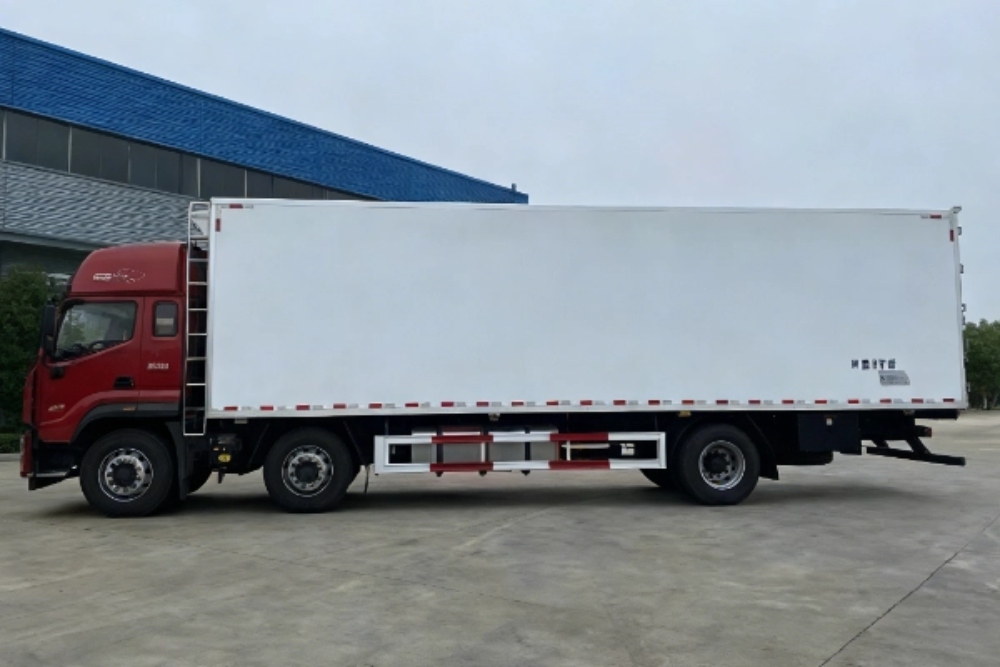
Success depends on selecting suitable gear to harness the complete value of sandwich panels. That’s our role. I’ve seen CHENcan develop from a modest shop started in 1998 into a dependable frontrunner with two up-to-date plants covering over 60,000 square meters in Shandong and Jiangsu areas. Our crew of over 200 experienced specialists, featuring a robust R&D unit that commits ample funds to fresh developments, has supplied answers to more than 12,000 firms in over 70 nations. We possess ISO 9001 and CE approvals, produce all main frame parts internally for steady standards, and support each unit with an 18-month guarantee, ongoing remote tech aid, field setup, staff instruction, and prompt service response.
Why Are Sandwich Panels Ideal for Truck Body Fabrication?
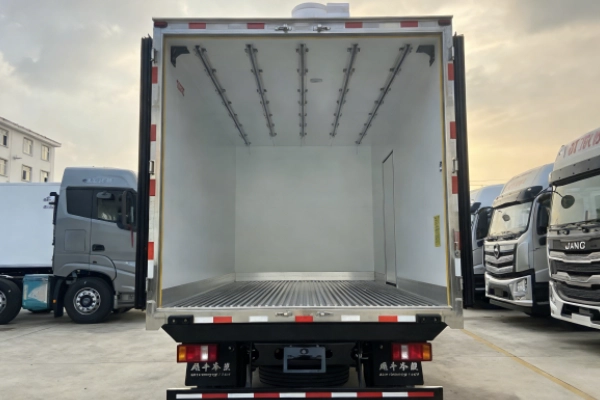
Sandwich panels feature light inner layers like polyurethane foam, XPS, or honeycomb placed between tough outer sheets of FRP, aluminum, or PVC. Their depth usually spans 70 to 170 mm, striking the right mix of durability, heat resistance, and reduced mass that makers of refrigerated trucks and RVs require.
Superior Thermal Insulation
Such panels ensure strong warmth holding with minimal heat transfer, keeping steady inside conditions in cold trucks and easing power use for refrigeration units. This leads straight to decreased running expenses for final operators.
Lightweight Structural Design
The blended build maintains total vehicle mass low versus classic substances, permitting greater cargo space and improved fuel use without weakening the strength of walls, tops, and bases.
Rapid Modular Assembly
Ready-cut boards connect swiftly via basic attachment techniques, trimming line time and allowing speedier delivery of vehicles to buyers.
How Do Sandwich Panels Reduce Fabrication Time Compared to Traditional Materials
Classic methods using bricks, concrete, or plain metal sheets call for heavy manual slicing, placement, and sealing that drag out truck enclosure work. Sandwich panels shift this dynamic since they come insulated ahead and set for exact forming.
Factory Pre-Cut Efficiency
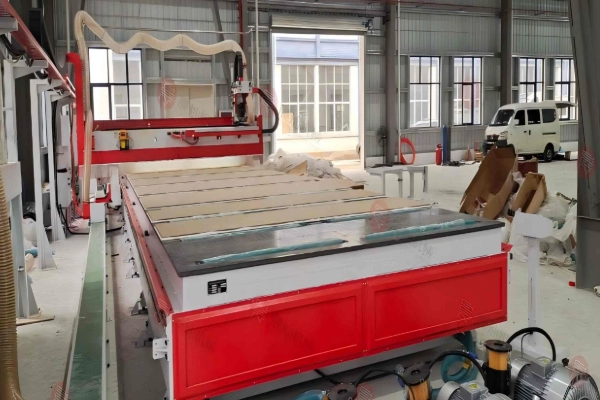
Boards reach in broad sizes that our devices handle in a single pass, skipping repeated moves and hastening the move from stock to complete part.
Minimal On-Site Adjustments
Exact CNC slices yield boards that match up flawlessly in joining, cutting down on edge fixes, gap fillers, and fixes that normally take hours per truck.
One-Clamping Processing Advantage
Using the proper device, staff place a whole wall board once and finish all key tasks without shifting, which sharply drops process durations.
Can Sandwich Panels Actually Lower Overall Costs in Truck Body Production
Indeed, provided that scrap, workforce, and power elements stay in check. Numerous makers achieve returns via less waste and boosted per-day yields.
Reduced Material Waste
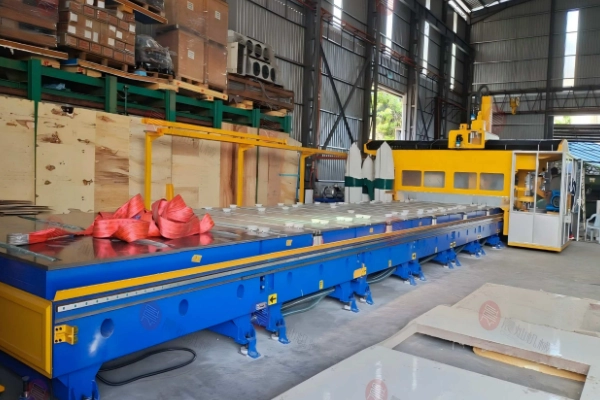
Smart layout and sharp slicing limit leftover bits from costly blend sheets, saving more workable stock for every truck.
Lower Labor Requirements
Automated functions manage routine jobs, letting a single trained worker manage what once needed several hands, which trims wage outlays notably.
Long-Term Energy Savings
Better protection in the built truck lowers fuel and cooling bills for drivers, rendering your units more appealing on the market and fostering ongoing orders.
What Challenges Prevent Sandwich Panels from Saving Time and Money
Even with obvious upsides, faulty handling sparks concealed expenses that cancel out the perks and annoy work crews.
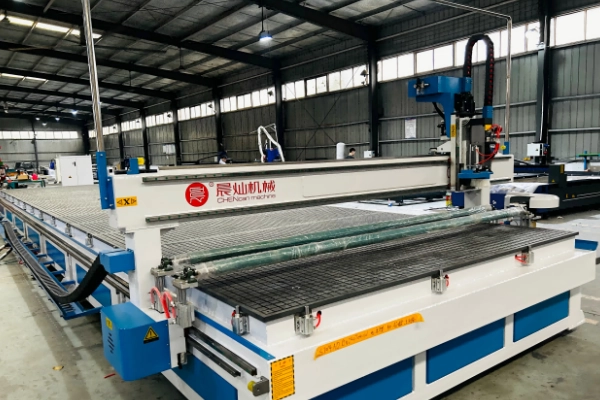
Complex Cutting Requirements
Dense boards need slanted slices, slots, and openings that simple implements fail to make neatly, resulting in added phases and possible redoes.
Thickness and Delamination Risks
Shaking or weak blade guidance amid slicing might pull apart levels, harming thermal function and calling for pricey board swaps.
Precision Errors in Large Panels
Big sheets reaching 3000 x 15000 mm amplify minor flaws over the area, leading to poor fits in joining and holdups.
How Can Advanced CNC Machines Overcome Sandwich Panel Fabrication Drawbacks
Tailored CNC tools tackle each issue by providing neat, true, all-in-one handling in one holder.
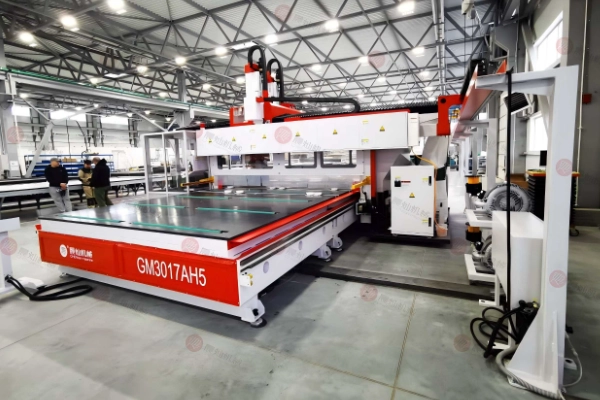
High-Speed Precision Cutting
Robust motors and firm bases keep close limits even during quick path speeds to 60 m/min, guaranteeing smooth borders free from shake-related harm.
Multi-Function One-Operation Processing
Combined boring, routing, sawing, and slotting in one hold stop layer splitting and skip shifts among units, trimming hours per board.
Waste Management and Operator Safety
Open suction tables let scraps fall away while covered areas and effective dust pull maintain a neat site, lessening tidy-up time and safety concerns.
Why Choose CHENcan for Your Sandwich Panel CNC Solutions
We earned our standing by fixing these exact issues for truck enclosure makers globally. Our 3 Axis CNC Sandwich Panel Cutting Machine shines in bulk straight slices with its 3000 x 15000 mm zone, 9 kW ATC motor, and swift 60 m/min travel, offering budget-friendly pace for cold truck walls. For detailed forms, dense boards, and sloped traits, our Máquina de corte de panel CNC de 5 ejes leads with full 5-axis connection, built-in sawing, open suction for waste clearance, and closed area for dust and sound handling. Each type faces 24-hour checks prior to dispatch, uses heat-treated steel bases for enduring firmness, and gains from our worldwide aid web. We ensure your outlay returns fast via cut waste, quicker flow, and steady output over the years.
Preguntas frecuentes
Q1: Do sandwich panels really outperform traditional materials for refrigerated truck bodies?
A: Yes. Their strong protection, low mass, and fast modular joining lower fuel bills, raise cargo limits, and shorten build periods versus bulkier choices.
Q2: How much time can a good CNC machine save on truck body panel processing?
A: Through single-hold all-function work, you frequently halve process times or better, enabling whole walls to finish sans repositioning.
Q3: Will investing in a 5-axis machine pay off faster than a 3-axis for complex RV work?
A: Certainly for detailed slanted slices and dense boards to 170 mm. Finishing all in one hold cuts workforce and fixes, yielding speedier returns.
Q4: How do CHENcan machines prevent delamination in sandwich panels?
A: Firm suction grip, shake-absorbing tracks, wide-blade saws, and guided tools lessen level split chances while keeping neat slices.


