
Before requesting a CNC machine test cut, agree what the trial must demonstrate and how the result will be accepted. Prepare the released drawing or CAD model, representative stock, critical features, workholding requirements, and an inspection plan. A useful sample links measured results to a documented machine configuration and process. Ask CHENcan to confirm trial availability, scope, and deliverables for the equipment being considered.
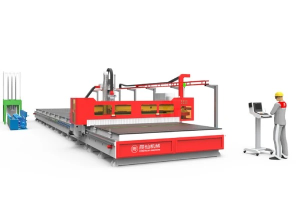
Start with the decision behind the test
Choose features that represent the main production risks. For a large mold, these may be a steep wall, deep cavity, or transition between surfaces. For a composite panel, they may be hole position, edge quality, or a long machined span. Select a manageable test piece that preserves those risks. If different questions require different materials or setups, use separate trials and record what each one is intended to prove.
Send the approved drawing revision and relevant CAD files in agreed formats. State units, datums, tolerances, and the surfaces used for acceptance. Identify which document governs if model and drawing differ. A CAD surface describes shape but may not define permissible deviation. Confirm who prepares the CAM program and machine-specific post-processing; an existing toolpath or NC file should not be assumed compatible with another machine.
Recreate the production risk, not every production detail
Specify the stock grade, dimensions, condition, and supply responsibility. Depending on the material, density, moisture, reinforcement, grain or layer direction, thickness, and machining allowance may affect the outcome. Mark the inspection face and orientation where relevant. Approve substitutions before machining and record their limits: substitute stock may help check access without demonstrating production-material finish or stability.
Provide a fixture sketch showing datums, clamps or vacuum zones, part orientation, and areas the tool and holder must avoid. State the proposed number of setups and how the part is supported. Record differences between trial and production workholding. A feature that is accessible on an open table may be blocked by production clamps, and a thin panel may move when released from its fixture.
Agree the Trial Conditions and Deliverables
Confirm the machine model and configuration, machining operations, tooling responsibility, trial quantity, and any cost or delivery arrangements. Agree whether the return package includes the sample, measurements, photographs, process notes, and a report. If the trial includes a finish or cycle-time assessment, specify the relevant passes and exactly which activities are included. Confirm these terms with CHENcan before sending files or stock.
Define the inspection method for each acceptance feature. Use suitable calibrated instruments and a measurement approach that accounts for the tolerance, datum alignment, and material behavior. Specify whether the part is checked clamped or released, and record relevant temperature or conditioning requirements. For appearance, identify the face and acceptable edge defects; where surface roughness is specified, state the parameter and measurement method.
Agree the response to an out-of-tolerance result before the test. First check the drawing revision, measurement method, material condition, workholding, tool condition, offsets, and process record. Document any changes before a repeat cut. A failed feature requires investigation and a clear disposition; it should neither be dismissed automatically as a setup issue nor treated as proof of a machine-wide limitation without supporting evidence.
Keep the conclusion as narrow as the test
A passing sample demonstrates the inspected features under the recorded conditions. It does not establish long-run capability, tool life, or performance across every part size and material. If production approval depends on repeatability, define additional samples and a measurement plan. Where needed, agree separate factory, installation, and production acceptance checks rather than treating one demonstration part as all three.
Review the Test Plan with Engineering and Production
Have purchasing, engineering, production, and quality review the plan before booking the trial. Each function should identify the evidence needed for its decision. For example, a five-axis mold trial may need to demonstrate holder clearance and the finish on an inclined wall, while a sandwich-panel trial may need both edge-quality inspection and hole-location measurements after unclamping.
Check that the machining and inspection teams have matching revisions and know which features decide acceptance. Confirm the stock, fixture, tool access, final passes, and measurement datums. Where cycle time matters, separate cutting time from loading, setup, tool changes, inspection, and other agreed activities. Record the boundaries so a demonstration time is not mistaken for a complete production cycle.
Define a return package that can be understood without the earlier email chain. Label the sample with an identifier and drawing revision. Link each result to the feature, nominal value, tolerance, measured value, and inspection method. Include the machine configuration, material, number of setups, and relevant process conditions, plus photographs showing the inspected surfaces and workholding.
Review the result against the original acceptance plan. List passed features, failed features, untested requirements, and any differences from production. If a repeat trial is needed, identify what will change and what evidence will close the issue. Retain both the initial result and the follow-up record so the final buying decision has a traceable basis.
Review CNC product range and technical service information for equipment and support background. The CHENcan company profile provides company information; contact the team to confirm a specific test-cut request, the machine configuration, and the agreed evaluation scope.
A short test cut brief
Keep a concise brief with the released files. Include these five entries and attach the agreed trial conditions and return-deliverables list:
- Drawing control: governing revision, file formats, units, datums, critical features, and acceptance tolerances.
- Stock: material grade, condition, dimensions, orientation, supply responsibility, and approved substitutions.
- Setup: fixture concept, part orientation, support or vacuum method, tool-access limits, and number of setups.
- Inspection: decision features, instruments and methods, clamped or released condition, and required result records.
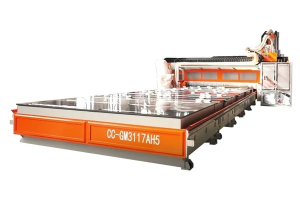
Approve the brief before cutting and return it with the sample and inspection records. It should allow buyer and supplier to judge the same features against the same requirements, identify unanswered questions, and decide whether further testing is necessary.
Frequently Asked Questions
What files should a buyer send for a CNC machine test cut?
Send the released inspection drawing, relevant CAD model, and a brief defining units, datums, critical dimensions, material, and fixture requirements. Identify the governing revision and agree file formats. Confirm who prepares the CAM program and post-processor; do not assume an existing NC program is safe or compatible with the trial machine.
Can substitute material be used for the test piece?
Yes, if both parties agree what the substitute can demonstrate. It may support an access or sequence check, but differences in cutting behavior, stiffness, finish, and thermal response limit the conclusions. Use the intended material when those properties are part of acceptance.
Does a successful test cut guarantee production results?
No. A successful trial demonstrates the inspected result under the recorded conditions. Longer runs introduce tool wear, material variation, temperature changes, and other variables. Define additional samples, installation checks, or production validation where those risks affect the purchase decision.


