
Buyers around the world now face growing needs for accurate wood patterns in casting foundries, car prototypes, and artistic sculptures. But old hand-carving approaches frequently cause long delays, shortages of trained workers, and patterns that simply do not meet strict measurements.
Turning to modern wood mould CNC routers has turned into a must for anyone wanting to stay strong in the market. These helpful machines bring automation that shortens production time a great deal and guarantees the same high quality every single run. If you want solid choices, take a look at the selection available at CHENcan.
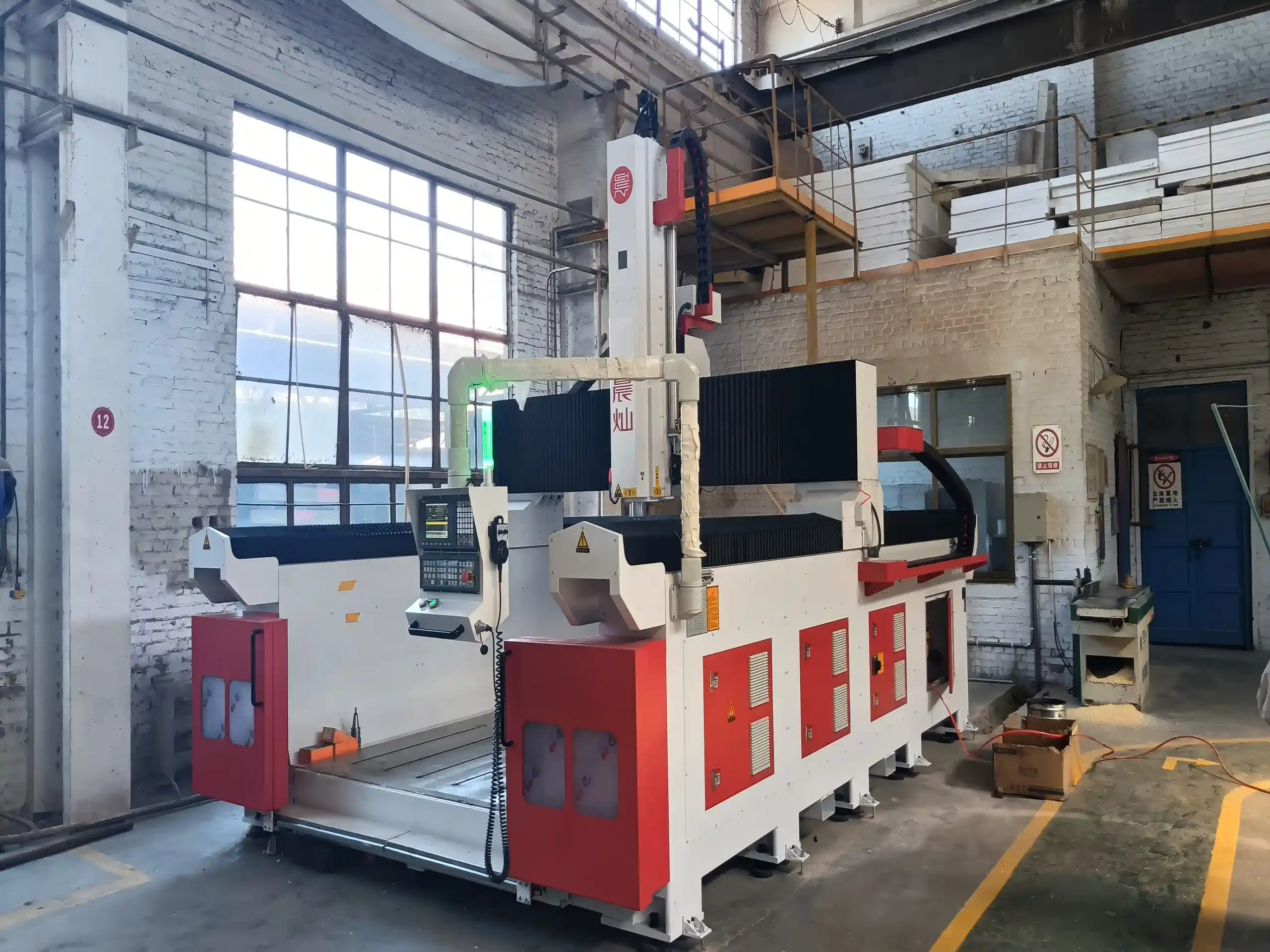
I see many companies struggling with the switch from manual work to automation. It feels like a big jump. But when you look at the specific features of these machines, the choice becomes clear. I will walk you through the five most important features you need to look for.
Is a Heavy-Duty Structure Essential for Stability and Long-Term Reliability?
Many buyers fear that machines will lose their sharpness after a while, particularly when dealing with big wood patterns in active workshops. A solid construction serves as the base for any trustworthy Wood Mould CNC Router.
A thick steel tube welded frame, treated at high heat, gets rid of built-up pressure and stops bending over time. This setup holds the machine firm for many years ahead. Strong builds take in shakes well, so they allow neat cuts on tough woods without shaking or bending.
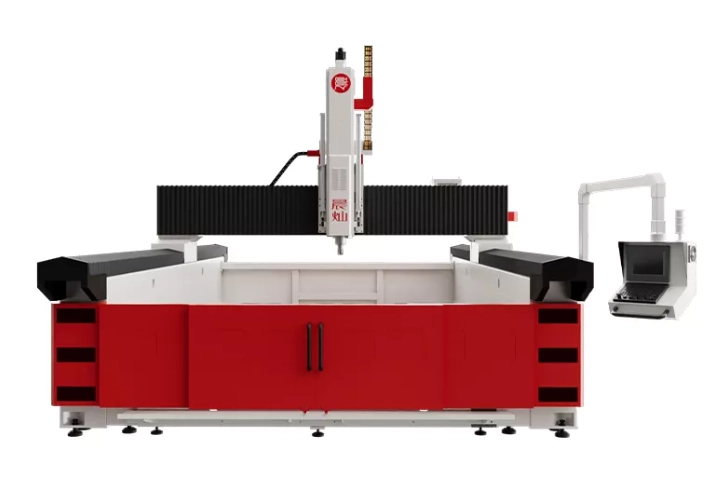
I cannot stress enough how important the frame is. Imagine you are trying to write a letter while riding on a bumpy bus. Your handwriting will look bad. The same thing happens to a machine if the frame is weak. When the cutter spins fast and hits a hard knot in the wood, a weak frame will vibrate. This vibration ruins the smooth surface of your mold.
The best machines use a heavy-duty structure. This usually involves thick steel tubes that are welded together. But welding creates stress in the metal. So, the best manufacturers use a heat treatment process. They heat the frame up and cool it down slowly. This releases the stress inside the metal.
If you do not do this, the metal might twist slowly over a year or two. Then your precision is gone. A heavy machine also stays put on the floor. It does not wobble. This means you can run the machine at high speeds and still get a perfect cut.
| Feature | Low-End Machine | High-End CNC Router |
| Frame Material | Thin steel or aluminum | Thick welded steel tubes |
| Treatment | None | Heat treatment to release stress |
| Vibration | High vibration at high speeds | Very low vibration |
| Lifespan | Loses accuracy after 1-2 years | Maintains accuracy for 10+ years |
Do High-Precision Spindles and Tooling Systems Ensure Superior Surface Finishes?
Rough surfaces force additional polishing and slow things down, something most buyers prefer to skip. A strong spindle and tool arrangement fixes this issue right away by giving smooth results directly from the cut.
Choices around 7.5 kW with speeds reaching 10,000 RPM or higher supply plenty of force for slicing hard materials. An Automatic Tool Changer (ATC) manages rough work and fine details all in one go. This automatic step saves hours and cuts down mistakes.
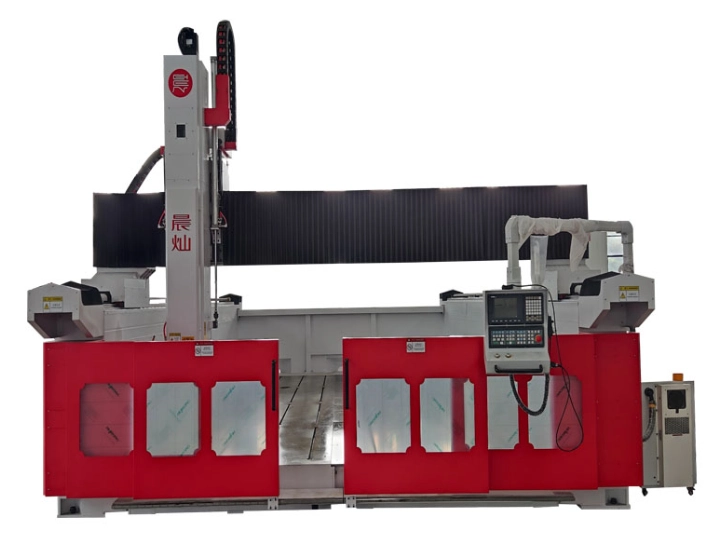
The spindle is the heart of the machine. It is the motor that spins the cutting tool. For wood molds, you need a mix of high speed and high power. Sometimes you are cutting soft foam, and you need speed. Other times you are cutting hard wood with hidden nails or knots, and you need power.
I recommend looking for a spindle with at least 7.5 kW of power. This ensures the tool does not stall or slow down when it hits a hard spot. If the tool slows down, it burns the wood and leaves a bad mark. You also want an Automatic Tool Changer (ATC).
Making a mold usually takes three steps. First, you remove a lot of wood quickly with a big tool. Second, you shape the curves with a smaller tool. Third, you cut the fine details with a tiny tool. Without an ATC, you have to stop the machine, use a wrench to change the tool, and measure the height again. This takes ten minutes every time. With an ATC, the machine does it in ten seconds.
- Roughing:Removes waste material fast.
- Semi-finishing:Smooths out the steps left by roughing.
- Finishing:Creates the final detailed surface.
Can Large Working Envelopes with Customizable Sizes Fit Versatile Applications?
Small table space limits job sizes and creates clumsy fixes, annoying buyers who manage large patterns. Roomy work areas open doors to many different projects and industries.
Tables stretching several meters long hold complete industrial molds without cutting them apart. Adjustable gantry and table changes match exact requirements, whether small or very large setups. These traits help foundries and makers in various areas create car parts or ship pieces.
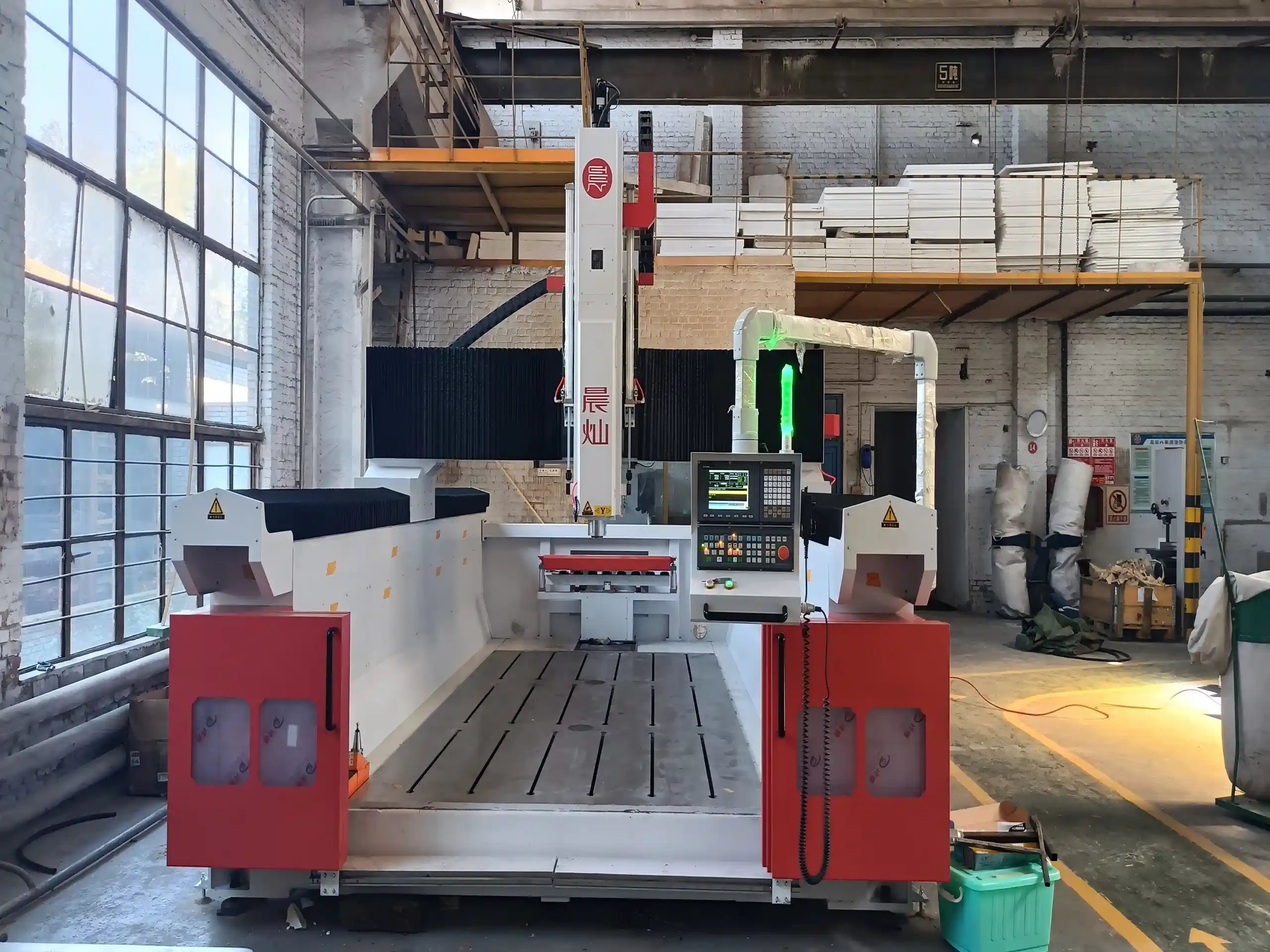
In the world of mold making, size matters a lot. I have seen workshops try to make a large boat hull mold on a small machine. They have to slice the digital model into ten pieces. Then they cut each piece separately. Finally, they have to glue them all together. This creates seams that you have to sand and fill. It creates weak spots. And often, the pieces do not line up perfectly.
A large working envelope solves this. If you have a table that is 4 meters by 8 meters, you can put the whole job on the machine at once. You get one solid piece. This is stronger and more accurate.
Also, look for customization. Maybe you need a very tall Z-axis because your molds are deep. Maybe you need a wider table but not a longer one. The best suppliers will change the machine dimensions to fit your shop.
| Application | Typical Size Needs | Why Size Matters |
| Automotive | Large & Wide | Car bodies need to be one piece for symmetry. |
| Marine/Ship | Very Long | Boat hulls are too long for standard machines. |
| Aerospace | Tall Z-Axis | Parts often have deep curves and steep angles. |
| Rail/Train | Long & Heavy | Train parts are bulky and require heavy load support. |
Will Advanced Control Systems and User-Friendly Software Simplify Operations?
Tricky programming frightens newcomers and drags down daily output. Simple controls ease the learning curve and raise work speed for everyone in the shop.
Trusted systems like HNC provide fluid movement and accurate carrying out of commands. Clear screens shorten learning periods, helping operators begin fast. Straight file loading quickens preparation and allows rapid tweaks for changing plans.
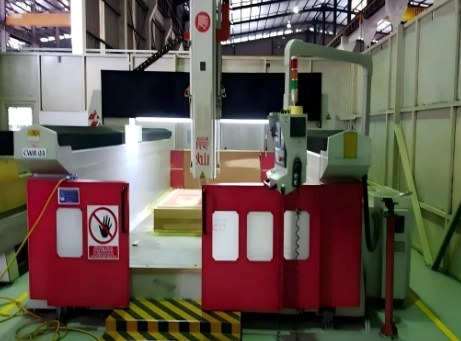
The control system is the brain of the CNC Router. Even if the mechanical parts are strong, a bad brain will make the machine move jerkily. I prefer systems like HNC or Siemens. These controllers have a feature called “look-ahead.”
Imagine you are driving a car. If you can see a sharp turn coming 100 meters away, you slow down smoothly. If you only see it 5 meters away, you slam on the brakes. A good controller looks ahead at thousands of lines of code. It plans the speed so the machine moves smoothly around corners. This gives you a better surface finish.
Also, software compatibility is key. You will likely design your molds in software like SolidWorks, Rhino, or AutoCAD. You need a machine that accepts these files easily. The interface should be visual. You should see a picture of the part on the screen before you cut. This helps prevent crashes.
- Ease of Use:New workers can learn in a few days, not months.
- Safety:Visual simulation stops you from cutting into the table.
- Speed:Fast data processing keeps the machine moving without pausing.
Are Comprehensive Dust Collection and Safety Features Vital for Clean Operations?
Dust piles harm health and ruin pattern quality, while safety worries trouble shop managers. Good systems maintain tidy and secure spaces for all employees.
Covers and grids pull away waste while cutting, keeping areas clear and guarding finishes. Guard doors, quick stops, and parts meeting CE rules protect workers fully. Fresher air follows local laws and betters conditions for staff.
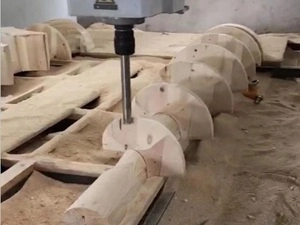
Wood dust is not just messy; it is dangerous. It is bad for your lungs, and it is a fire hazard. When you machine wood, you create a lot of fine dust. If this dust settles on the rails or the screw drives of the machine, it mixes with the grease. This turns into a grinding paste that wears out your machine parts quickly.
A good machine has a strong dust hood right around the spindle. It sucks the dust up as soon as it is made. I also look for bellows or covers on the rails. This keeps the dust out of the moving parts.
Safety is just as important. You want a machine with an emergency stop button that is easy to reach. In many countries, you also need a light curtain or a physical fence. If a person walks too close to the machine while it is working, it should stop automatically.
| Safety Feature | Function | Benefit |
| Dust Hood | Sucks up chips at the source | Keeps air clean and surface visible |
| Rail Covers | Protects linear guides | Extends machine life significantly |
| E-Stop Button | Cuts power instantly | Prevents accidents in emergencies |
| Light Curtains | Senses human presence | Stops machine if someone gets too close |
Is 5-Axis Technology the Future for Complex Model Making?
3-axis machines struggle with complex shapes and undercuts, forcing you to flip the material many times. You need more freedom to create intricate designs without moving the part.
5-axis machines offer RTCP functions for easy programming. They handle complex models in one setup, reducing human error. Though costlier, they offer better long-term value because they lower requirements for operator skill and realize ideas faster.
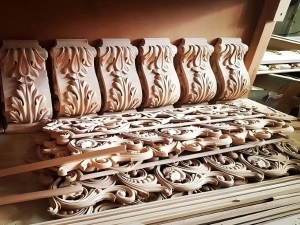
I am seeing more and more global buyers choose 5-axis machines. In the past, these were too expensive for many shops. But now, the prices are better, and the benefits are huge. A 3-axis machine can only move left-right, forward-back, and up-down. If your mold has a hole on the side or an undercut, a 3-axis machine cannot reach it.
With a 5-axis machine, the tool can tilt and rotate. This means you can process five sides of a block of wood in one single setup. You do not have to take the wood off, turn it over, and clamp it down again. Every time you move the wood, you lose accuracy.
The RTCP (Remote Tool Center Point) function is amazing. It allows the controller to know exactly where the tip of the tool is, even when the head is tilting. This makes programming much easier. You do not need a Ph.D. to run these machines anymore. It makes the path from your idea to the final product much shorter.
- One-Time Clamping:Higher precision because the part does not move.
- Complex Geometry:Can cut shapes that are impossible for 3-axis.
- Tool Life:Can use shorter, stiffer tools for better cutting.
- Less Labor:The machine does the work of repositioning, not the human.
Conclusion
Top wood mould CNC routers use sturdy frames, accurate spindles, big tables, smart controls, and strong safety features. These qualities boost workflow and handle complex jobs, especially with 5-axis options. Choose CHENcan for reliable machines and personal guidance.


