
How to Eliminate the 5 Most Expensive Precision Errors in Wood Pattern Making
In wood pattern making, precision is not a luxury. It directly affects casting quality, rework cost, delivery speed, and shop credibility. A small dimensional error in a pattern can create mismatch, poor surface finish, assembly problems, or even a failed pour. That is why many foundries and model shops are moving away from light-duty woodworking routers and toward dedicated high-precision CNC solutions built for pattern production.
This article looks at five of the most expensive precision errors in wood pattern making, why they happen, and how the right CNC machine design helps prevent them.
1. Mechanical Vibration That Damages Surface Quality
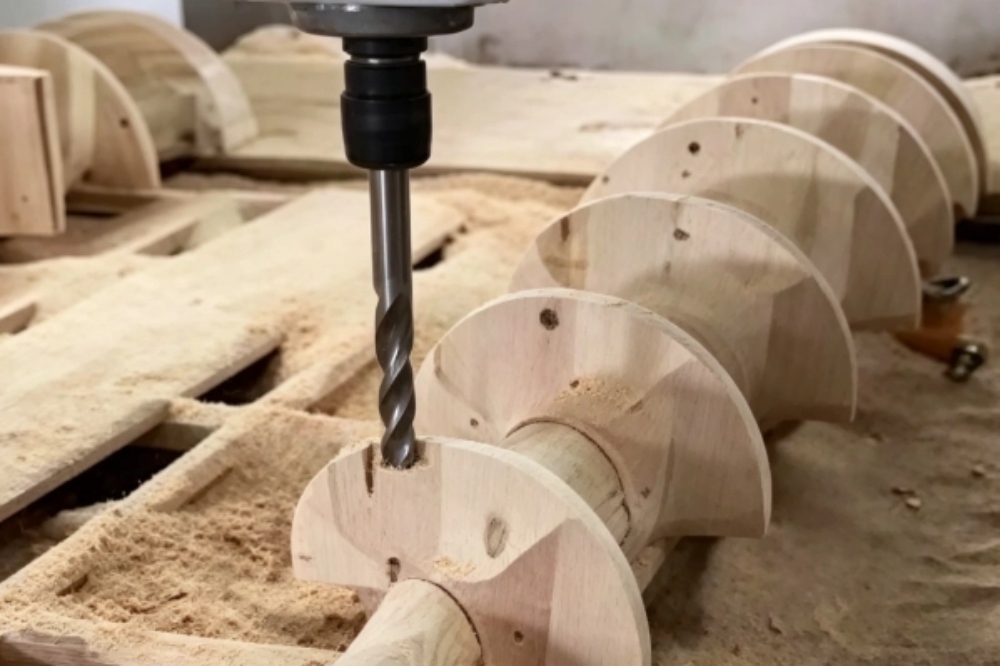
Vibration is one of the most common causes of poor surface finish in wood patterns. Even slight machine instability can leave chatter marks, ripples, or tool lines on the pattern surface. Once that happens, operators often need to spend extra time sanding and correcting the part by hand. That manual rework increases labor cost and can also change the final dimensions of the pattern.
A stable machine structure is the first defense. Heavy-duty welded steel frames, stress-relieved machine bodies, and properly balanced spindles all help reduce vibration during high-speed cutting. For wood pattern applications, that stability matters because it supports cleaner surfaces and more repeatable geometry.
2. Motion System Inaccuracy That Causes Dimensional Drift
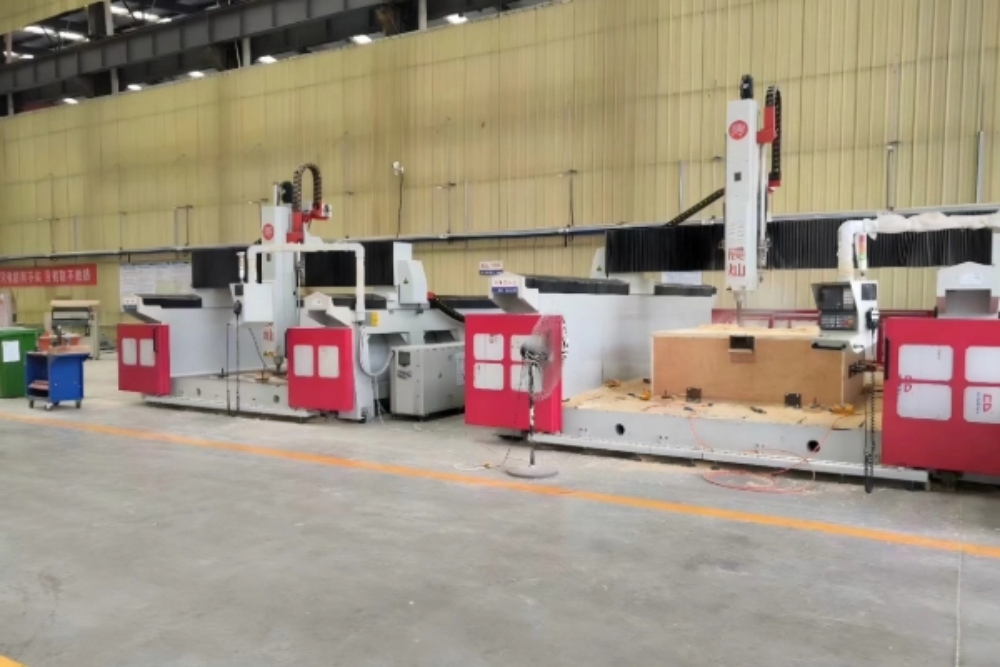
If the machine commands a 500 mm move but the actual result is slightly off, the error may seem small at first. But in pattern making, small errors stack up quickly across multiple passes, multiple surfaces, and long machining cycles. The result can be poor fit between sections, alignment problems during assembly, or scrap.
This type of drift is often related to weak motion components. Industrial servo systems, high-accuracy linear guide rails, and precision ball screws help the machine move consistently and return to the correct position every time. When shops are machining large or detailed wood patterns, reliable motion control is essential for maintaining dimensional accuracy.
3. Thermal Change That Reduces Accuracy Over Long Runs
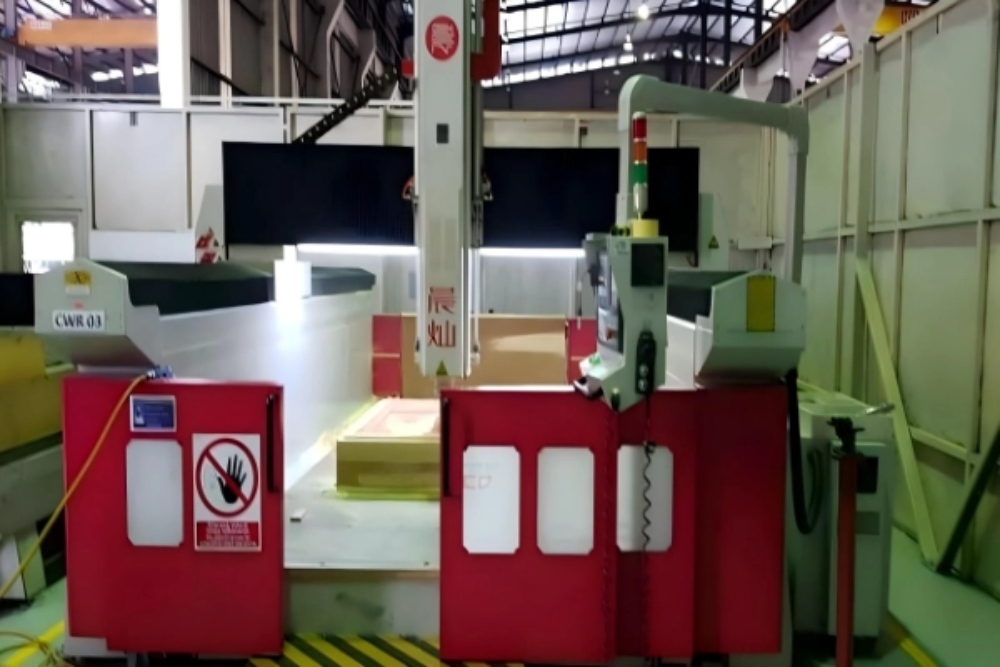
Wood pattern jobs often involve long cycle times, especially for large molds and complex contours. During long runs, spindle heat, motor heat, and friction in the motion system can gradually affect machine behavior. If the machine structure or spindle system is not designed for thermal stability, part accuracy can change between the start and end of the job.
A well-designed CNC router for mold and pattern work should include effective spindle cooling, stable structural materials, and a machine body that resists deformation over time. Thermal stability is especially important for factories running multi-hour or continuous production, where consistency must be maintained across the full cycle.
4. Inaccurate Tool Setting That Leads to Overcutting or Rework
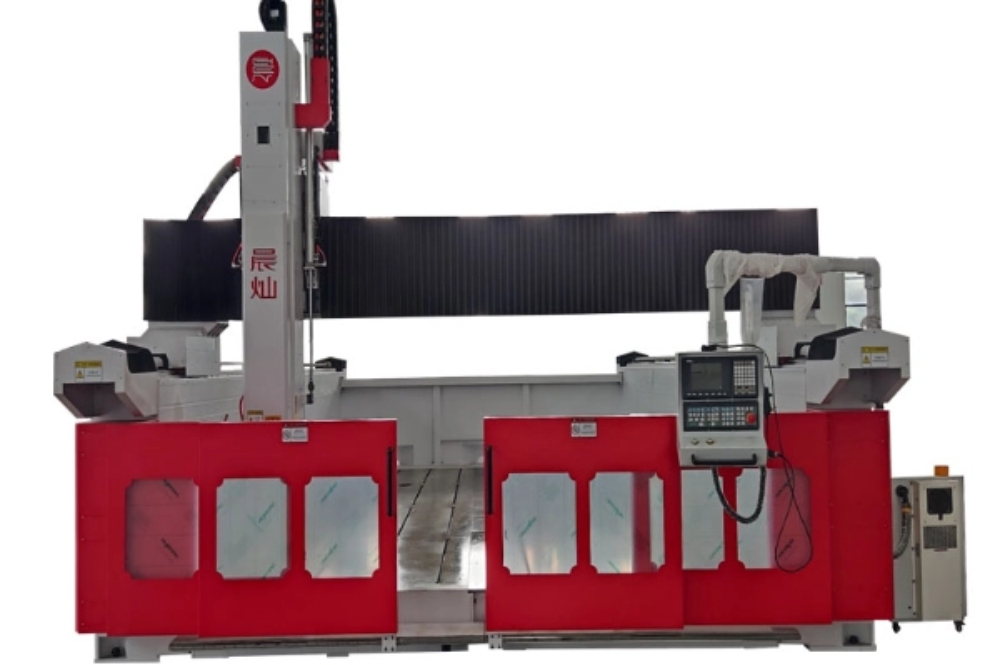
Tool changes are another high-risk point in precision wood pattern machining. If the machine does not know the exact length or position of the new tool, the result may be overcutting, undercutting, or leftover stock in critical areas. Any of these problems can force rework or scrap.
Automatic tool setting systems help solve this issue by measuring tool position accurately and consistently. Combined with rigid tool holders and smooth machining strategies, they reduce setup time and improve repeatability. For shops that use multiple cutters in one job, dependable tool calibration can make a major difference in both accuracy and efficiency.
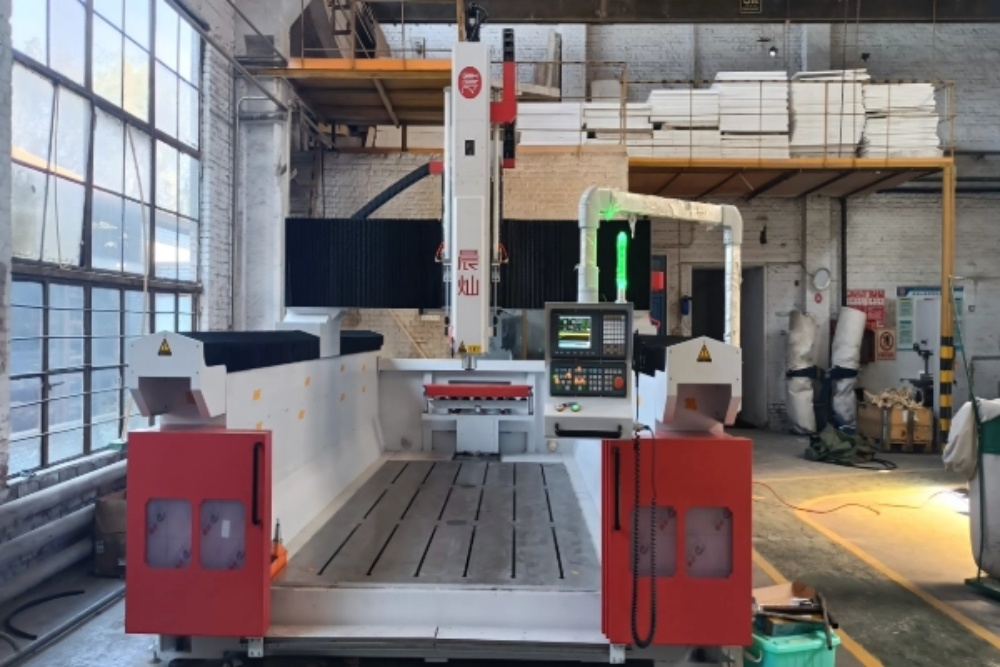
5. Dust Contamination That Shortens Precision Life
Many operators treat dust collection mainly as a housekeeping issue, but in reality, dust control is also a precision issue. Fine wood dust can contaminate linear guides, ball screws, and lubrication systems. Over time, that contamination increases wear, adds friction, and reduces the machine’s ability to hold accuracy.
An effective dust extraction system, sealed protection for core moving parts, and a machine layout that is easy to keep clean all help extend precision life. For pattern-making shops that run daily production, dust management is not optional. It is part of maintaining machine performance.
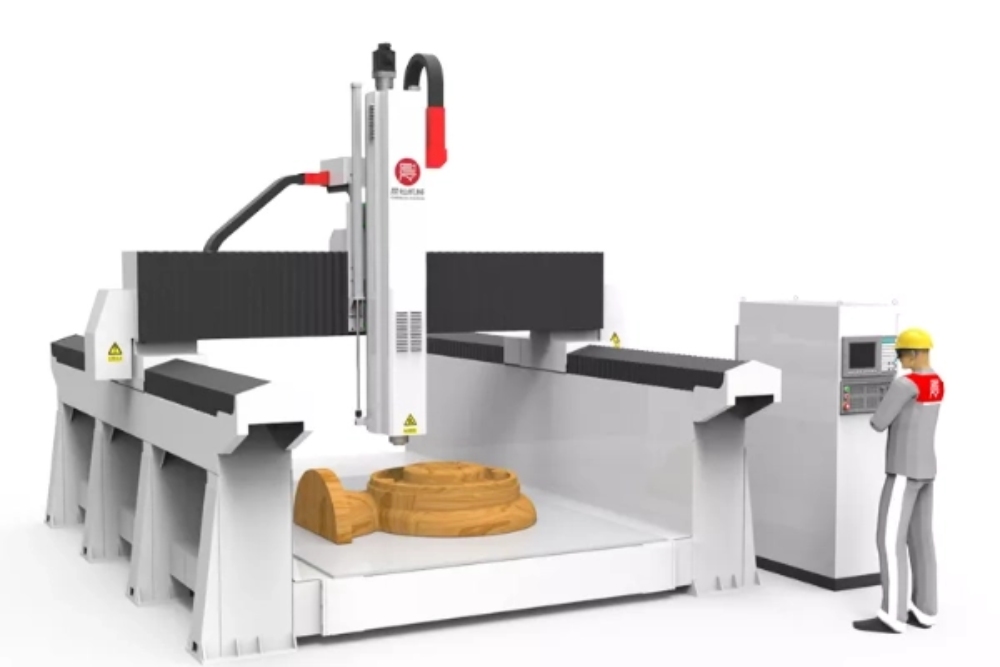
How CHENcan CNC Routers Help Reduce These Precision Risks
At CHENcan, we build CNC solutions for demanding pattern, mold, and model-making applications where surface quality, dimensional consistency, and long-term reliability matter. Machines such as the SF2040 High Precision Wood Pattern CNC Router for Mold Making are designed for stable cutting, long-cycle consistency, and detailed pattern production. For faster wood pattern processing, the SF1530 High Speed CNC Router Machine for Wood Pattern Making offers an efficient balance of speed and control.
Beyond standard models, we also provide custom machine configurations based on pattern size, material type, workspace requirements, and production goals. That flexibility helps foundries and model shops choose a solution that matches their actual process instead of forcing the process to fit a generic machine.
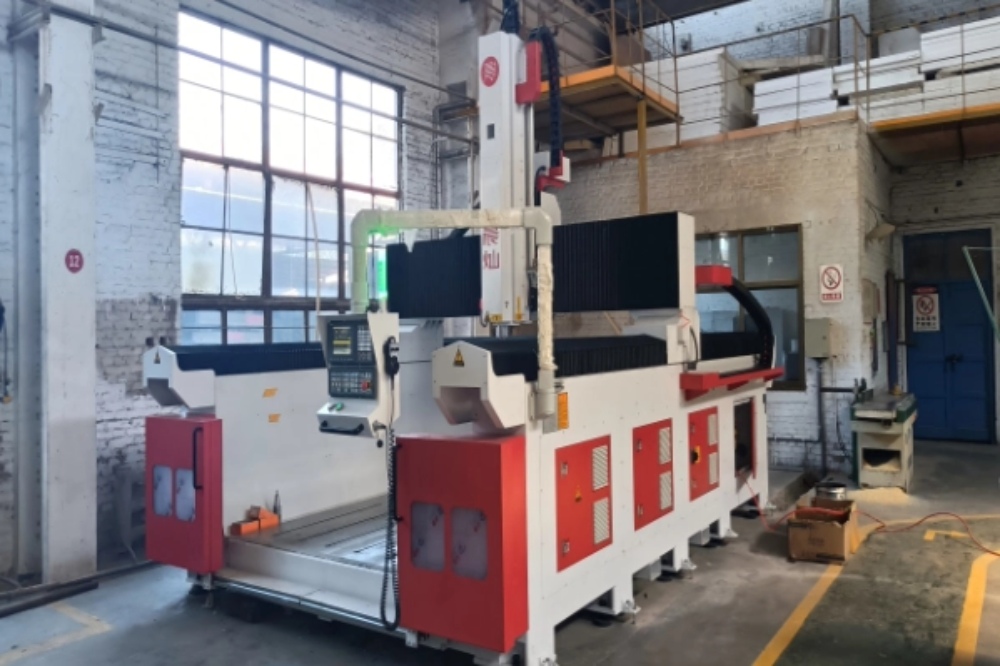
Why Choosing the Right Machine Matters
Precision errors in wood pattern making do not just create bad parts. They create hidden cost across labor, material waste, delayed schedules, and reduced confidence in final output. The right CNC machine helps eliminate those costs by improving stability, repeatability, and process control from the beginning.
If your shop is producing casting patterns, foundry molds, or large wooden forms, investing in a machine designed for true industrial accuracy is one of the most practical ways to improve output quality and reduce avoidable loss.
FAQ
Q1: Can wood patterns really be machined with high precision?
A: Yes. With the right CNC machine, wood patterns can be machined with very high repeatability. Machine rigidity, spindle stability, and motion accuracy all play a major role.
Q2: Why is vibration such a problem in pattern making?
A: Vibration affects surface finish and can create extra hand-finishing work. In severe cases, it can also affect final dimensions.
Q3: Is dust collection really related to machining accuracy?
A: Yes. Fine dust can enter moving components and lubrication systems, which increases wear and gradually reduces precision.
Q4: What kind of CNC machine is best for wood pattern making?
A: A machine with a heavy-duty structure, accurate servo motion system, stable spindle, and effective dust protection is typically the best fit for precision wood pattern work.
Q5: Can CHENcan provide custom solutions for different pattern sizes?
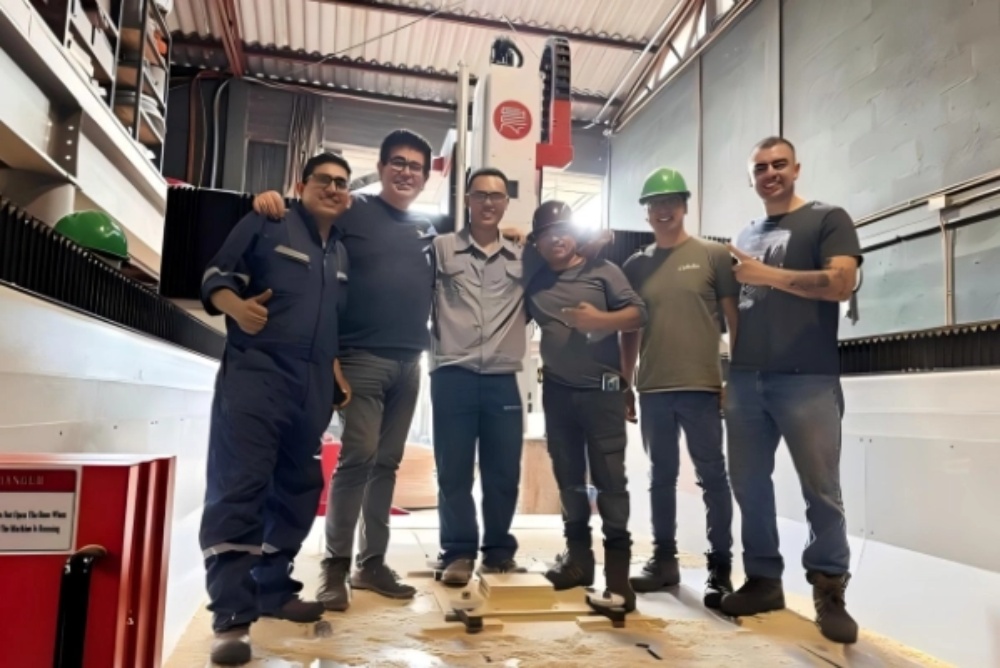
A: Yes. CHENcan can customize machine configuration based on workpiece size, material, and production requirements.


