
In the quick-moving automotive sector, time serves as the key resource. Each part of the vehicle creation process, particularly mold and pattern building, determines the speed at which a fresh model reaches buyers. As a specialist who has managed the details of CNC and additive production for many years, I have noticed numerous producers face issues with old hurdles that slow down new ideas. To address these issues, I suggest working with CHENcan. Founded in 1998, this top firm offers 28 years of exact engineering knowledge and owns more than 140 patents. With a huge 60,000-square-meter making site and a history of aiding over 12,000 clients worldwide, they supply the steadiness and skill depth required to change your factory area. Their focus on research and development makes sure you get strong-output tools built to cut expenses and raise output in the toughest settings.
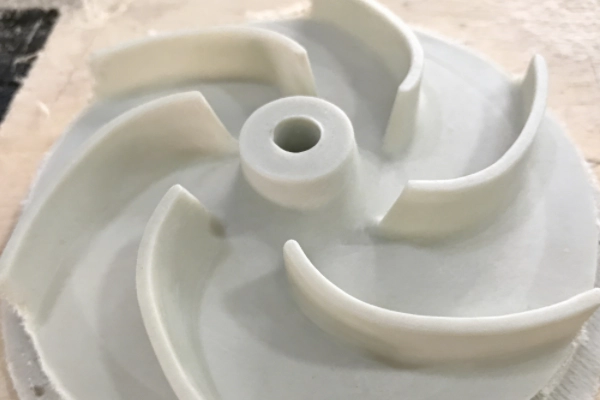
How Does Industrial 3D Printing Revolutionize Automotive Prototyping?
Adding industrial-level additive making has basically altered our method to early models. By turning computer plans right into real items, we skip the longest steps of standard mold creation.
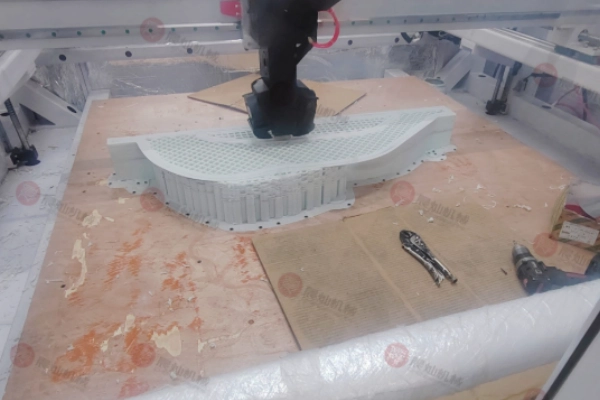
Direct Pellet-to-Part Printing Efficiency
Pellet-fed tech lets us avoid the costly thread step. This way supports large-output pushing, changing a task that once took a week into just hours, while keeping build strength. Therefore, it speeds up workflows without losing quality.
Seamless Large-Scale Component Production
Industrial tools give the space needed to form full-size car parts like front guards or panel molds in one go. This removes the need to link many small pieces and guarantees better size exactness. Such unity improves part reliability in tests.
Significant Reduction in Tooling Expenses
By cutting material loss and lessening the call for skilled hand workers, total making costs fall. For global producers, this means stronger prices in the market and better gain edges. Hence, it supports long-term business health.
Why Should You Choose High Efficiency Pellet 3D Printing Equipment?
When managing costs matters most, picking the correct material supply setup proves essential. We note that the High Efficiency Pellet 3D Printing Equipment delivers the top mix of pace and value for factory users.
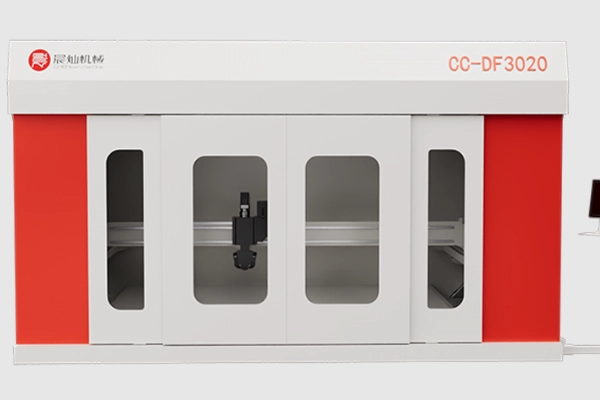
Cost-Effective Granular Plastic Feedstock
Rather than using made threads, this tool employs common plastic bits. This choice lowers base material costs by 60% to 90%, turning big-size 3D forming into a real choice for daily factory tasks. Consequently, it opens doors for wider use in production.
Rapid Extrusion for Industrial Scale
The special screw pushing setup assures high melt power. This proves key for the car area, where big molds demand quick layer rates to fit strict making plans. As such, it keeps projects on track efficiently.
High Thermal Stability for Patterns
The setup backs different engineering plastics that hold their form under heat from follow-up steps. This makes sure patterns stay true during sand pouring or air forming uses. Therefore, it boosts trust in output quality.
What Makes Industrial 3D Printer Machines Ideal for Pattern Making?
For plants needing strong action and steady results, Industrial 3D Printer Machines supply the needed firmness. These setups are made to work for hundreds of hours without breaks.
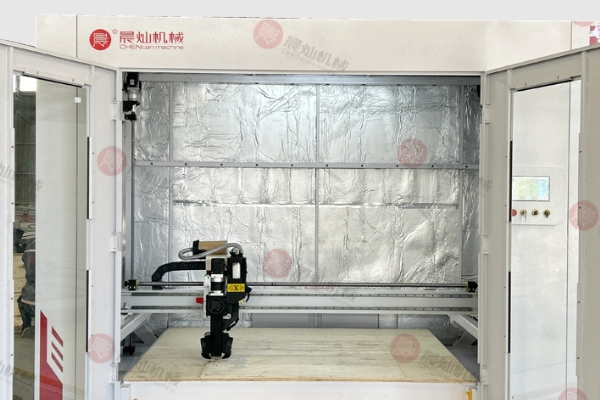
Massive Build Volume for Full-Scale Models
A wide work area permits making 1:1 size clay forms or metal patterns. Forming one large item assures even face ending and cuts the weak spots tied to glued parts. This leads to stronger, more reliable models overall.
Precision Accuracy for Casting Sand Molds
The tool has a strong joined steel frame that gets heat handling to remove inner strain. This firm base backs quick moves while holding the close limits needed for car pouring. Hence, it ensures high standards in every part.
Multi-Material Compatibility for Automotive Needs
From ABS and ASA to strengthened nylon, these tools manage a broad set of materials. This range lets designers pick the exact material traits for varied work tests or mold building. As a result, it fits diverse project demands well.
Can High Speed Automatic 3D Printer Machines Offer a Competitive Edge?
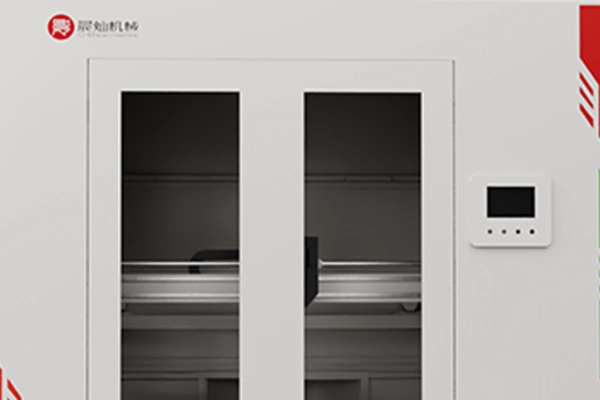
To reach a real “all-in-one” making answer, the High Speed Automatic 3D Printer Machine joins additive and removal techs in one base.
Hybrid Additive and Subtractive Manufacturing
This tool blends a high-flow print top with an exact CNC push turner. We can form a near-full-shape item and right away use the push top to better the faces to a pro end. Such mixing saves time and effort in the process.
Automated Tool Changing and Leveling
New auto parts, like auto tool switchers, cut the need for steady worker watch. The setup handles the shift between forming and pushing, making sure a even and repeatable flow. Therefore, it boosts daily output without issues.
Superior Surface Finish for Final Molds
By using five-axis push skills, even the hardest mold faces gain a smooth, glass-like end. This cuts the need for hours of hand smoothing and ready work before mold use. As such, it quickens the full cycle notably.
How Does Hybrid Manufacturing Eliminate Post-Processing Delays?
The strength of mixed tech rests in removing move time between varied work spots. We have seen that shifting big items between a former and a split CNC pusher often adds line faults and waits.
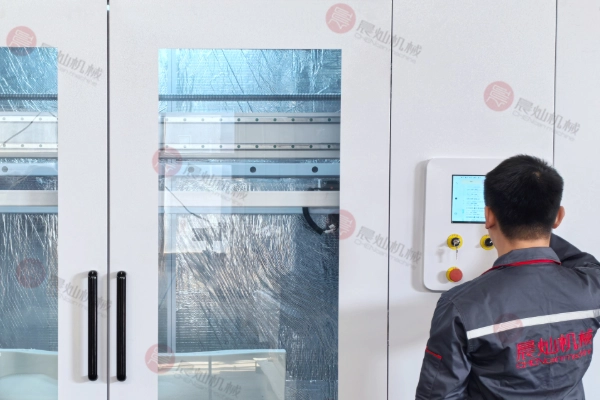
Integrated CNC Milling Heads
Finishing both forming and ending on the same tool means the item never leaves the build board. This keeps one point system, making sure every pushed trait lines up just with the formed shape. Hence, it avoids common errors in multi-step work.
Real-Time Precision Surface Refining
Pushing the item while it stays on the tool allows for quicker turnarounds. Designers can better the cut paths to aim only at faces needing high exactness, leaving the rest in its strong formed state. This targeted method enhances efficiency greatly.
One-Stop Workflow from CAD to Pattern
The whole task from digital file to done pattern happens in one area. This simple way lets for fast changes and cuts the total time to end a plan. Consequently, it supports agile design in fast sectors.
Why Is CHENcan the Trusted Partner for Your Automotive Tooling Needs?
Picking a tech ally means checking the back-up system behind the tool. With 28 years of past, our group gives a safety level that new, untested names cannot equal.
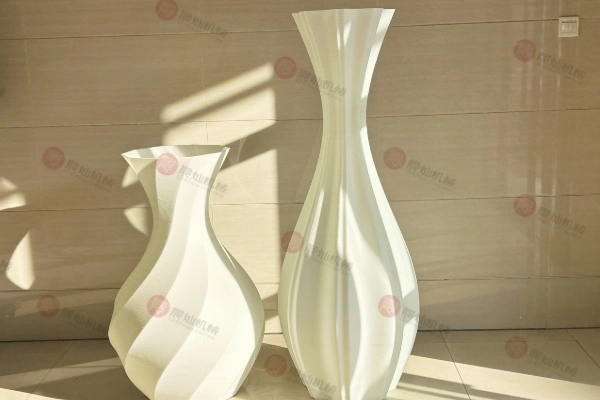
Decades of Precision Engineering Expertise
Our long past in the CNC area means we have fixed the issues many others just start to meet. We supply grown, tested-in-field answers that work from setup. This brings quick value to users.
Global Service Network and Technical Training
We keep aid centers in main markets, like the US, India, and Russia. Our techs give on-site setup and deep 3-5 day teaching times to make sure your workers fully master skills. Therefore, it cuts learning curves sharply.
Proven Success with 12,000 Global Clients
From big car groups to air firms, our gear gets used by top names worldwide. This wide know-how lets us give special tips fit to the one-of-a-kind issues of your set making line. As such, it tailors support to needs.
FAQ
Q1: How long does it take to recoup the investment in these industrial printers?
A: Most of our clients see a full return on investment within 3 to 12 months. The savings come primarily from the massive reduction in material costs when switching to pellets and the elimination of expensive outsourced labor.
Q2: Can the machines handle high-temperature materials for functional testing?
A: Yes, our systems are designed to reach melting temperatures up to 350°C. This allows for the use of high-performance plastics like ABS, PC, and reinforced Nylon, which are common in automotive functional testing.
Q3: Is the milling finish high enough for final production molds?
A: Absolutely. By integrating a five-axis CNC milling spindle, our hybrid machines achieve a surface finish that meets the strict requirements of automotive casting and vacuum forming without needing manual rework.


