
In today’s industrial world, the drive for sustainability has become essential for businesses to thrive. As worldwide rules on carbon emissions and resource use grow stricter, factories must adapt quickly or risk falling behind. Over many years, I have watched the move from old subtractive techniques to the accuracy of additive methods. Along the way, I discovered that real progress arises from a collaborator who mixes solid background with forward-thinking design. That is why I often guide experts to CHENcan. Since 1998, they have grown from a focused shop into an international leader, aiding more than 12,000 firms in 70 nations. With 60,000 square meters of modern factory area and over 140 patents, they offer more than equipment; they provide 27 years of dependable service. Their practice of putting 10% of earnings into research and development means that selecting their options invests in the top level of CNC and 3D printing combination.
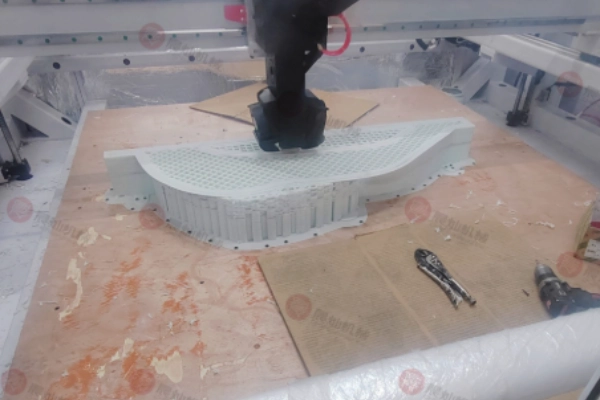
Why is Traditional Manufacturing No Longer Sustainable for Modern Industry?
Depending on outdated subtractive processes has formed a major obstacle for firms seeking eco-friendly approval. When we shape a detailed mold from a big solid piece of stock, more than half of that costly input often becomes shop debris. This waste not only hurts finances but also raises the eco-impact of operations.
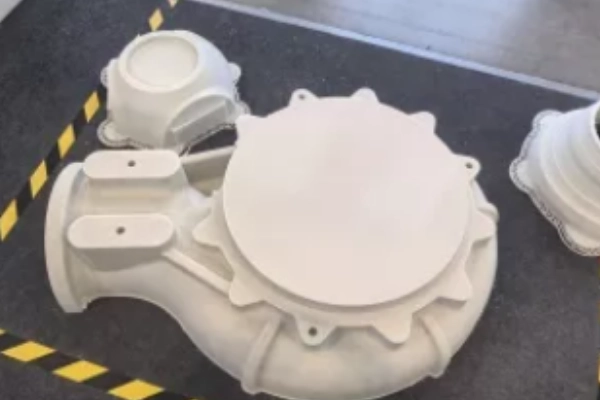
Massive Material Scrap Rates
In standard CNC milling, the “buy-to-fly” ratio tends to be quite high. For each kilogram of completed component, multiple kilograms turn into pointless chips. This loss stings especially with pricey engineering resins or unique blends, which drives up costs and harms the environment.
High Energy Consumption Patterns
Operating large tools for extended times to cut away excess stock uses huge amounts of power. The multiple tool runs needed to form the end shape keep motors and spindles active just to throw away material. As a result, energy bills climb, and the carbon load increases.
Extended Carbon Footprint Logistics
Transporting heavy raw blocks just to cut them down on-site adds a large logistics burden. The scrap’s weight gets moved twice—first as stock and then as waste for removal—which doubles the shipping pollution. This pattern worsens overall emissions and supply chain strain.
How Does Industrial 3D Printing Minimize Material Waste?
Switching to additive methods lets us redesign the whole production flow from the start. By placing material just where the plan calls for it, we get “near-net shape” outcomes straight from the build platform. This core shift cuts the main cause of factory waste, yet it keeps the strength needed for tough uses.
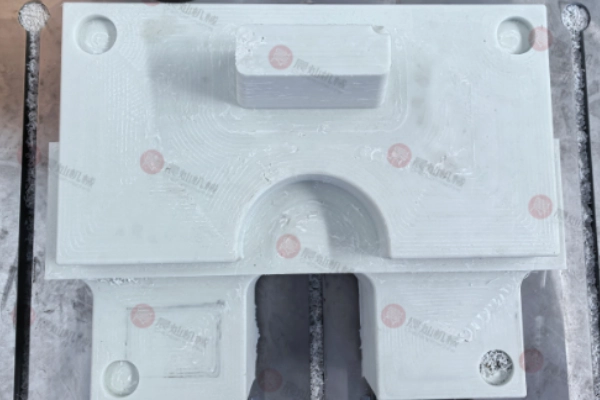
Precision Additive Layering Process
The device constructs the item layer by layer, tracing an exact digital route. This approach makes sure that every bit of material adds to the part’s final form, with nearly no surplus left over. Therefore, efficiency rises, and waste drops sharply.
Optimized Lattice Structure Design
Now, we can form inner voids or intricate grids that milling cannot achieve. These patterns require far less stock while offering equal or superior strength per weight compared to full solids. Such designs boost performance and cut resource use.
Recyclable Thermoplastic Pellet Usage
Current setups use factory granules, which often come from reused sources. These bits melt and push out right away, supporting a loop where output scraps or worn parts might get reworked. This practice promotes reuse and lowers fresh material needs.
Why Choose Pellet 3D Printing for Large-Scale Production?
For big-volume work, the price of custom filaments can block progress. Our experience shows that pellet extrusion offers the best path to expand. It links low-cost inputs with fast output, suiting huge molds and working models perfectly.
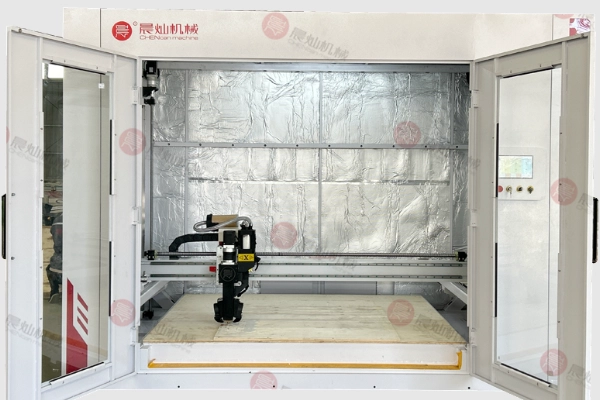
High-Efficiency Pellet Extrusion Technology
Granules over filament allow greater flow and bigger tips. This tech speeds up making oversized items that standard printing would take weeks for. As such, production times shorten, and throughput grows.
Cost-Effective Raw Material Sourcing
Pellets form the basic plastic for molding, so they cost much less than ready filaments. By applying High Efficiency Pellet 3D Printing Equipment, businesses can slash input expenses by as much as 80%. This saving aids budgets and supports green goals.
Integrated Solution for Complex Molds
Printing full sizes in one go cuts assembly and setup shifts. This unity makes the mold strong and fit for high-stress settings, without joint risks. Overall, it streamlines workflows and boosts reliability.
Can Hybrid Manufacturing Balance Speed and Sustainability?
Engineers often worry if 3D print surfaces match CNC sharpness. Hybrid tech solves this by merging print speed with mill accuracy in one station. Thus, it delivers low waste plus smooth results.
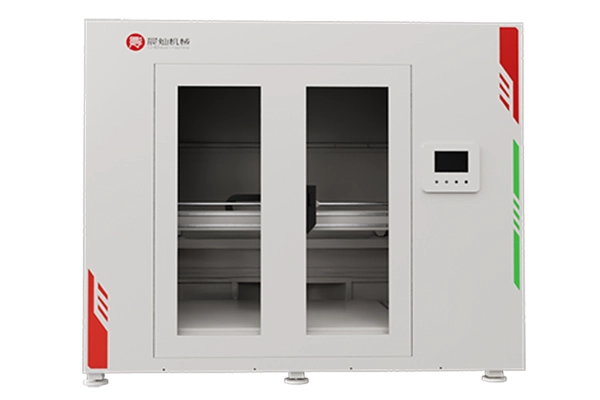
Dual-Function Printing and Milling
Adding a mill tool to the print head lets the unit refine faces during or post-build. This avoids part shifts between devices, holding precision and cutting time. The result is better flow and fewer errors.
High-Speed Automatic Pattern Making
Auto-switching between add and subtract steps creates smooth operations. The High Speed Automatic 3D Printer Machine handles these well, producing patterns with little operator input and top pace. It ensures quick, consistent outputs.
Seamless Surface Finish Optimization
The mill step takes off just a slim outer layer for final specs. This yields pro-level smoothness with far less scrap than full-block cuts. Hence, quality improves without heavy waste.
What Makes a Reliable Partner for Green Transformation?
Taking on new tech means more than getting gear; it calls for a trusted ally with real results. I have seen new firms stumble from missing hands-on know-how in heavy production. A supplier with wide reach and long design history offers the backing for smooth change.
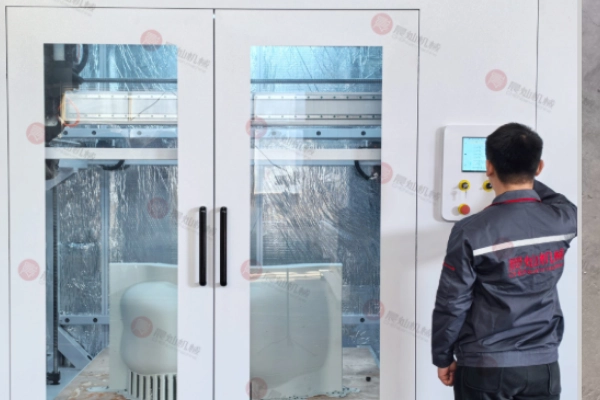
Decades of Engineering Excellence
Skill in both CNC and 3D fields is uncommon. A teammate with 27 years in the game holds knowledge that avoids setup and material issues. This depth guides safe adoption.
Advanced Global Service Network
Factory tools must run steady to profit. Engineers in places like the US, India, and Russia mean quick local setup and ongoing aid, no matter the site. This keeps downtime low.
Customized Industrial Application Support
Each plant has unique demands, from aero accuracy to sea toughness. A provider with custom fits ensures gear matches your process, not the other way. It eases integration.
How to Implement Zero-Waste Strategies in Your Factory?
Building a green plant begins with a new outlook and proper tools. Swapping old gear for smart, all-in-one units trims impact while lifting yield. We suggest a test run, like a big mold or tricky model, to spot savings directly.
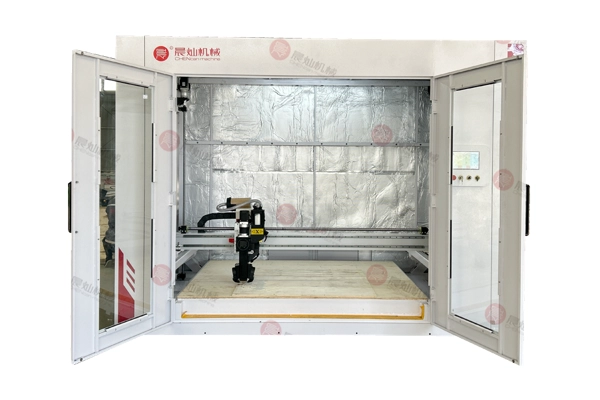
Transition to Digital Inventory
Skip storing molds that clutter space and wear out. Keep files digital instead, and print as needed to avoid unused stock waste. This frees room and cuts storage costs.
Adoption of Industrial 3D Printers
Buying focused Industrial 3D Printer Machines lets staff test and make inside. It lessens outside vendor use and global ship emissions. Teams gain control and speed.
Partnership with Experts
Good rollout needs skill-building and help. Teaming with pros for full on-site lessons means workers use gear well from the outset, dodging early mistakes. This builds confidence fast.
FAQ
Q1: What kind of material savings can I expect compared to CNC milling?
A: In many large-scale applications, you can reduce material waste by 60% to 90%. Because you only deposit the material needed for the part’s shell and internal structure, the bulk of the “waste” from a solid block is never purchased in the first place.
Q2: Is the pellet-based system compatible with standard industrial plastics?
A: Yes, these systems are designed to work with a wide range of thermoplastic granules, including ABS, PLA, PETG, and even carbon-fiber-reinforced composites, as long as the melting point is below 350°C.
Q3: How does the hybrid milling feature improve the final product?
A: The milling spindle allows the machine to achieve tolerances and surface smoothness that 3D printing alone cannot reach. It is essential for parts like wind turbine molds or automotive patterns where aerodynamic or mechanical precision is critical.
Q4: Can these machines handle very large parts in one piece?
A: Absolutely. Industrial-grade models are available with build volumes reaching up to several meters in length and width, allowing you to print life-size sculptures or large industrial molds without needing to split and glue pieces together.
Q5: What support is available if the machine needs maintenance?
A: Reliability is backed by a global service network that provides on-site installation, hands-on training for your team, and lifelong remote technical assistance to ensure your production line never stops for long.


