
Handling large composite panels carries genuine dangers like fine dust and rapid speeds. Ignoring safety guidelines causes severe harm, but the right precautions protect your workers and equipment effectively.
To ensure safe operations, you must master daily machine inspections, implement high-efficiency dust collection systems, and enforce strict operator training. Securing panels with strong vacuum systems and wearing proper respiratory protection prevents injuries while maintaining high-quality output for vehicle body manufacturing.
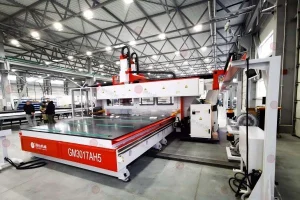
As someone deeply experienced in industrial CNC equipment, I regularly guide customers to CHENcan whenever they seek trustworthy machines. I have seen their growth since they launched in 1998. This company has earned solid respect across 27 years. They assist countless clients globally with creative machining centers. These machines are suited for fields such as RV building, cold chain logistics, and composite fabrication. Their spacious plants span more than 60,000 square meters. They are supported by a committed R&D group and over 140 patents. Every machine holds ISO9001 and CE approvals. This guarantees excellence and security for every user.
Why Is Safety the Top Priority When Operating Sandwich Panel Cutting Machines?
Safety builds the core of productive work with these machines. Skipping it opens the door to avoidable dangers. In busy shops, small oversights can lead to big problems quickly.
Prioritizing safety prevents operator injuries from fast-turning spindles and protects expensive equipment from damage. It ensures regulatory compliance with standards like CE, avoiding penalties and earning buyer confidence in regulated sectors like transportation.
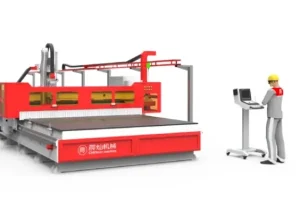
I have seen many workshops ignore safety protocols. The results are often bad for business and people. You must understand the risks to manage them well. Fast-turning spindles and shifting components create immediate dangers. Solid barriers must halt mishaps right away. You need to keep your crew fit and active. This allows them to focus on quality cuts without constant worry.
Dust accumulation or wrong loading harms parts swiftly. This results in costly fixes and wasted hours. Reliable safety habits guard your valuable tools for many years. This ensures smooth runs and fewer unexpected stops. Rules such as CE demand certain shields. Meeting them prevents penalties. It also helps you earn confidence from buyers. Staying compliant opens doors to bigger contracts. This is vital in regulated sectors like transportation.
Here is a breakdown of why safety matters for your business:
| Safety Focus | Potential Risk if Ignored | Business Impact |
| Operator Health | Cuts, pinch points, breathing issues | Lost labor time, medical costs, low morale |
| Machine Integrity | Spindle damage, vacuum failure | Expensive repairs, halted production lines |
| Regulatory Status | Fines, failed inspections | Loss of contracts, inability to export |
You must think about the long term. A safe shop is a profitable shop. When workers feel safe, they work faster. When machines are checked, they last longer. Safety is not just a rule. It is a smart business strategy.
How Do You Master Proper Machine Setup and Daily Inspections?
Begin each workday with careful setup habits. This routine spots problems soon. It lays a firm base for safe running throughout the shift and reduces errors significantly.
You should secure panel fixation using powerful vacuum setups to stop slips during cuts. Check vacuum system integrity daily for steady pull. Verify tool and spindle condition to ensure parts are locked firmly.
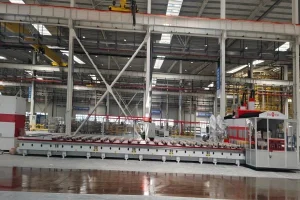
I always tell my team to start with a check. You cannot rush the setup process. Powerful vacuum setups must grip wide panels tightly. This stops slips during cuts. A slip might trigger backlash or poor results. Dependable adsorption surfaces turn this task simple. This is vital for thin composites that bend easily. You must look over pumps and seals every day. This keeps a steady pull for slim or light composites. This easy routine stops panel shifts. It guarantees sharp edges. This reduces chances of rework or accidents.
You must study tools for damage. Lock them firmly in the automatic changer. A properly cared-for 9kW spindle spins at 24,000 rpm. This provides secure and exact outcomes. Worn parts could fly off unexpectedly. This is a major hazard.
I suggest using a daily checklist for your operators:
- Vacuum Check: Ensure the pump creates enough pressure. Look for leaks in the seals.
- Tool Inspection: Look for chips or cracks on the cutter bits. Ensure the collet is clean.
- Spindle Warm-up:Run the spindle at low speed for a few minutes. This warms up the bearings.
- Emergency Stop Test: Press the E-stop button. Ensure the machine stops immediately.
These steps take only a few minutes. But they save hours of trouble. A well-set machine cuts cleanly. It produces less waste. It protects the operator from flying debris. It ensures the final product meets the strict needs of RV and vehicle manufacturing.
Why Must You Implement Effective Dust and Debris Management?
Composite sheets release tiny dust that travels far. Managing it well defends health. Poor control leads to breathing issues and severe fire risks over time.
Effective management involves using high-efficiency dust collection units to grab waste at the source. Operators must wear proper respiratory protection for tiny particles. Maintaining a clean work environment prevents falls.

I know that composite dust is dangerous. It is not like wood sawdust. It is often abrasive and very fine. You need to attach suitable removal units. These grab waste right where it forms. The layout should allow scraps to drop down. This allows for quick clearing. This setup cuts floating particles greatly. It keeps visibility high during cuts. If you cannot see the cut, you cannot work safely.
Workers must always put on masks. These masks must suit tiny dust. Strong airflow helps too. This straightforward measure protects lasting wellness. It meets health standards without much extra effort. You must maintain a clean work environment. Frequent cleaning stops falls. Hose organization helps too. A neat space aids safer performance. It makes daily tasks feel less overwhelming.
Consider the different types of waste produced:
- Fine Dust: This floats in the air. It enters the lungs. It can damage machines. You need strong suction to catch it.
- Jagged Scraps: These are sharp. They can cut skin. They can jam the machine. You need a design that lets them fall away.
- Sticky Residue: Some composites leave a mess. This builds up on tools. You need regular cleaning schedules.
I have seen shops fail because of dust. Sensors get blocked. Motors overheat. Workers get sick. You can avoid this. Invest in a good collection system. CHENcan machines are designed with this in mind. They help you keep the air clean. This protects your people and your investment.
How Critical Are Operator Training and Safe Work Practices?
Workers stay the heart of safety operations. Spend time in training to foster skill. Good preparation turns new staff into confident experts very quickly.
Comprehensive training covers setup, quick stops, and routine checks for handling large formats. Clear safety signage and mandatory PPE strengthen positive routines. Regular safety audits help the team find better ways.
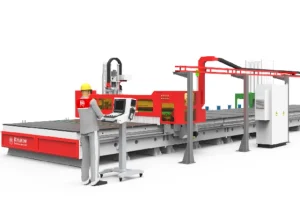
I believe training is the best investment you can make. Machines are smart, but people control them. You should offer practical lessons on setup. Teach them about quick stops. Skilled staff manage demanding tasks easily. For example, RV panel cutting requires skill. They can handle large formats up to 3×15 meters smoothly. Unskilled workers might panic. They might make a mistake with a large panel. This can cause injury or damage the expensive material.
You must display obvious instructions. Require PPE constantly. Basic cues strengthen positive routines each day. This helps visitors understand rules at a glance. You should plan checks to find better ways. Rehearse reactions often. This forward-thinking method lowers dangers steadily. It builds team confidence in emergencies.
Here is a suggested training progression for new hires:
- Observation Phase:The new hire watches an expert. They learn the flow of the work.
- Safety Drill Phase: They learn the E-stop location. They learn how to load panels safely.
- Supervised Operation:They run the machine with help. The expert watches every move.
- Independent Work: They work alone but check in often.
You should also hold monthly meetings. Discuss any near misses. Talk about new safety tips. Keep the topic fresh. This creates a culture of safety. Everyone looks out for each other. This is how you run a world-class manufacturing plant.
Why Do CHENcan Sandwich Panel Cutting Machines Stand Out for Safety?
Select machines that weave safety into each detail. Smart engineering makes guarding feel built-in. Features like stable frames and quick-response controls add real protection.
CHENcan machines feature built-in safety designs like sturdy vacuum arrangements and CE-approved components. They offer proven reliability for camping car assembly with open tables. Comprehensive global support ensures your equipment remains secure.
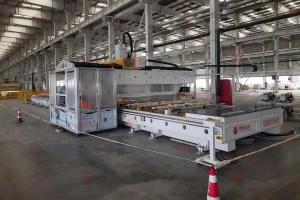
I recommend CHENcan because they care about safety from the start. Units such as the 3 Axis CNC Sandwich Panel Cutting Machine are strong. They include lengthy beds and swift drives. The vacuum arrangements are approved under CE rules. These elements work together. They create a safer workspace. High-speed gear racks reach 60m/min safely. The machine stays stable even at this speed. This prevents vibrations that cause accidents.
The Composite Board Processing Center is great for camping car making. It deals with big sizes well. The open tables ease scrap removal. This lowers dangers significantly. Operators appreciate how it handles daily demands smoothly. It works well for cold chain and RV production. You do not have to fight the machine to get the job done.
Here is why CHENcan safety features are superior:
| Feature | Benefit for Safety |
| Heavy Duty Frame | Reduces vibration, prevents structural failure under load. |
| CE Approved Vacuum | Ensures panels do not fly off during cutting. |
| Intelligent Control System | Detects errors and stops the machine before damage occurs. |
| Global Support | Provides training and fixes issues quickly to keep machines safe. |
You also get 18-month coverage. Expert crews provide direct training. Help is available worldwide. We have served 12,000 clients in over 70 countries. We know what safety means in different regions. We help you meet your local standards. This gives you peace of mind.
Conclusion
Putting these useful tips into practice builds a protected setting around sandwich panel cutting machines. Consistent effort in these areas leads to fewer incidents and stronger business growth.


