
Choosing suitable CNC wood cutting machine specifications and setup affects daily production, cut finish, and ongoing gains in woodworking shops. Many operations deal with uneven outcomes, high material loss, repeated fixes, and restricted handling of detailed tasks when machines miss key traits. Experts have guided producers to solid options that offer exactness, pace, and lasting strength over time. CHENcan, founded in 1998, appears as a dependable ally with over 28 years in CNC tools. The firm aids more than 12,000 customers across over 70 nations, runs two major plants covering over 60,000 square meters, holds ISO9001 and CE approvals, and puts resources into research with emphasis on internal advances. For wood handling tasks, CHENcan supplies tested units like the Multi Head CNC Wood Router Machine and refined 4 axis wood cutting cnc router types. These setups tackle actual shop issues in furniture, cabinets, doors, and trim pieces. This overview examines core specs, extra functions, installation steps, and factors that make CHENcan a top pick for worldwide users.
Why Are the Right Specifications Critical for Your Woodworking Business?
The base of a strong CNC wood cutting setup rests on picking specs that fit job loads and wood kinds. Shops run into shakes during slices, rough borders, shorter tool spans, and flow blocks that harm market edge when specs do not measure up. Correct setup brings firm action, steady exactness, and smart material handling.
Essential Working Area and Table Configuration
A broad work zone lets shops handle whole sheets without breaking them apart, which keeps wood whole and cuts down on line-up mistakes. CHENcan units come with wide tables that take standard wood boards well. Two-layer open vacuum tables give firm, even pull over the top, holding different board depths tight and stopping shifts in fast runs.
Spindle Power and Multi-Head Options
Enough spindle strength deals with thick hardwoods without slowing or charring the stock. Multi-head setups allow work on several items at the same time, which raises output a lot for group runs. CHENcan adds strong spindles and multi-head plans to its wood routers, giving steady strength and output for furniture and cabinet parts.
Drive Systems and Precision Components
Fine rack-and-pinion drives on X and Y paths, joined with ball screws on Z, bring even, true moves even at quick travel rates. Heavy walled steel frames cut shakes and hold stiffness as time passes. These parts, built into CHENcan gear, back close limits and stretch machine span under daily heavy loads.
How Does 4-Axis Technology Unlock Advanced Wood Cutting Capabilities?
Basic 3-axis units bound options when work calls for bent faces, undercuts, or many-angle cuts. 4-axis function widens the scope of buildable items, skips extra fixings, and betters face quality on tricky forms. Wood shops often shift to 4-axis gear to fill needs for made-to-order furniture, building trim, and 3D parts.
True 4-Axis Tilting Head for Curved and 3D Work
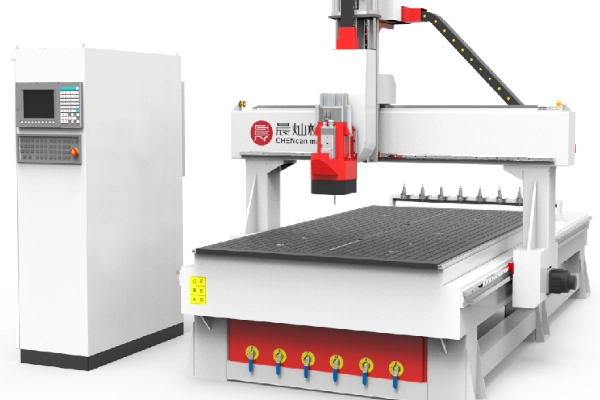
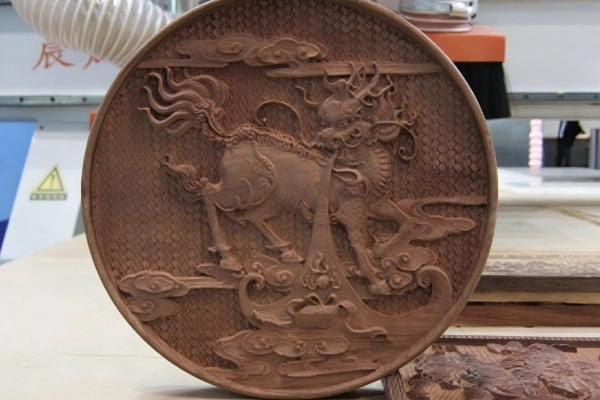
A turning head spins the cutter on extra paths, which lets true cutting of bends, outlines, and 3D forms in one hold. CHENcan 4-axis routers build in this role to manage detailed wood shapes and bent parts without moving the stock again.
Benefits of Simultaneous Multi-Surface Machining
Joint control of all paths keeps steady cutter contact, shortens run times, and yields even finishes over stepped work. Less fixings also cut total mistakes and work effort. CHENcan 4-axis types stand out here, backing quick making of trim boards, seat frames, and edge pieces.
Ideal Applications for Furniture and Decorative Elements
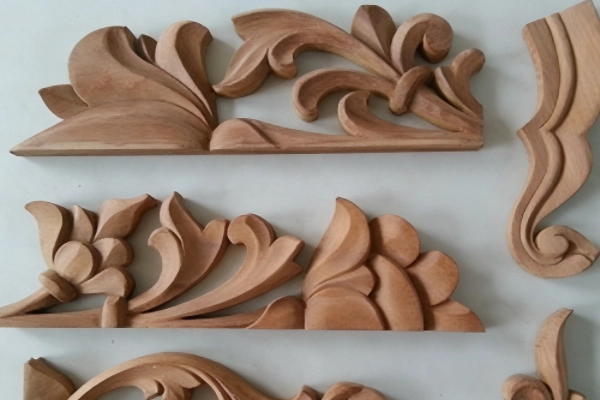
4-axis methods work well for making bent seat backs, fancy door boards, and special cabinet doors that need work on many sides. This range fits both small order shops and big furniture makers after better-value goods.
What Key Features Maximize Efficiency in Multi-Head CNC Wood Routers?
Multi-head plans meet the call for more volume without losing quality. Shops that handle like or same parts gain from side-by-side cutting that lowers work and time each item. CHENcan blends these traits to lift daily yields while keeping exactness.
Multiple Spindles for Simultaneous Batch Processing
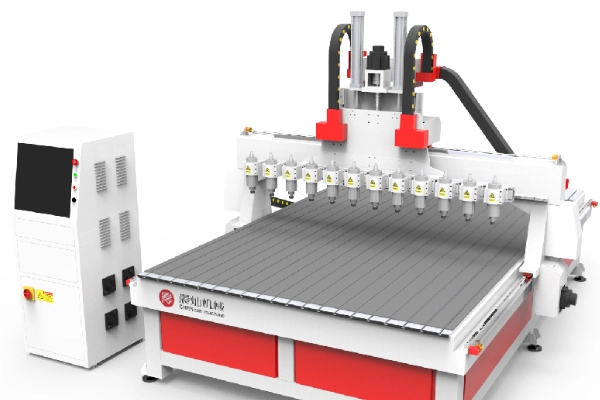
Several free spindles work on many stocks together, perfect for repeat jobs like cabinet pieces or signs. This plan boosts output without extra hands. CHENcan multi-head routers give sure action for group wood tasks.
Automatic Tool Changing and Workflow Optimization
Auto tool switchers cut wait times by changing cutters smooth in runs. Hands spend less on hand swaps and more on making. CHENcan setups hold good ATC parts that ease flows and back hard multi-tool work.
Vacuum Table Strength and Material Holding Reliability
Strong vacuum setups hold stocks tight over the full table, stopping slides that lead to waste or cutter harm. Two-layer open plans boost grip for open woods and mixes. CHENcan uses this tech to lock steady cuts on varied wood sorts.
Which Control Systems and Software Deliver the Smoothest Operation?
The control setup acts as the core of the unit, shaping pace, true aim, and simple handling. Old or tough controls bring code waits, bumps, and uneven ends. New setups ease daily jobs and pull full machine strength.
Reliable Servo Drives and High-Precision Transmission
Servo motors linked with fine transmissions offer quick, true spots and even starts. These pieces lower play and hold repeat action. CHENcan fits its routers with sure servo tech for steady output.
User-Friendly Controller with Look-Ahead Function
Controls with ahead-read handling scan next code rows to tune pace on bends without losing quality. Clear screens cut learn time for hands. CHENcan setups put first easy controls that lift flows.
Compatibility with Popular CAD/CAM Software
Wide match with standard software lets smooth file moves and fast code tweaks. Shops blend old plans without shift woes. CHENcan routers back common CAD/CAM bases well.
How to Set Up Your CNC Wood Cutting Machine for Long-Term Success?
Right first setup and steady upkeep stop most usual problems and stretch gear span. Skipping these steps brings true loss, higher fix costs, and surprise stops. Set steps bring sure runs year by year.
Initial Installation and Calibration Best Practices
Even the unit on a firm base, line paths with care, and check square with fine tools. Lock all links and run test codes to prove action. CHENcan gives full guides and field aid for true starts.
Daily Maintenance and Lubrication Routine
Clear dust from tracks, oil moving parts often, and check bands and cutters for wear. Steady habits stop early breaks and hold true. CHENcan units add open spots that ease daily upkeep.
Safety Protocols and Dust Collection Integration
Fit good shields, stop buttons, and strong dust pulls to guard hands and keep space clear. Solid dust handling stretches part life and betters air. CHENcan plans set safety traits and dust hold first.
Conclusion
CHENcan mixes years of making know-how with a drive for quality and user wins. The firm builds tough units in big, approved plants and backs them with world service nets, field teaching, ongoing far aid, and quick tech help. Users gain from tested sure, custom picks, and fair output in hard wood settings. Shops set to step up find CHENcan options that push output and gains.
FAQ
Q1: What working area suits most woodworking shops?
A: A table size around 1300×2500 mm or larger handles standard sheets efficiently while allowing room for growth, and CHENcan offers flexible configurations to match specific needs.
Q2: How does 4-axis capability benefit furniture production?
A: It enables curved surfaces and multi-angle machining in one setup, reducing labor and improving finish quality on complex pieces like chair frames or decorative elements.
Q3: Why choose multi-head routers for batch work?
A: Multiple spindles process several parts simultaneously, increasing output significantly and lowering per-piece costs in cabinetry or door production.
Q4: What maintenance keeps a CNC wood router accurate over time?
A: Regular cleaning, lubrication of guides and screws, spindle checks, and periodic calibration maintain precision and extend service life.


