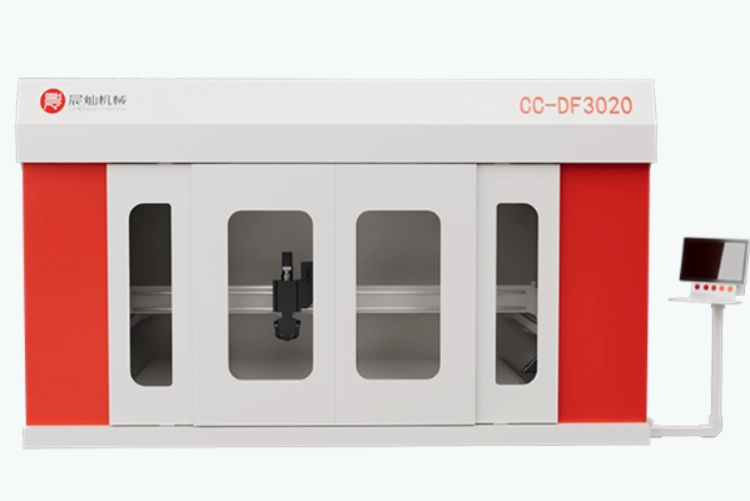
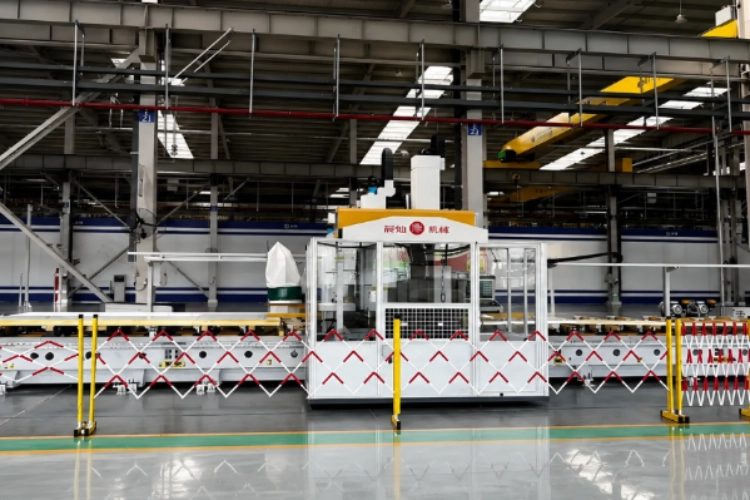
Before buying a mould making machine, a mold shop should verify the complete process it will run: material, mold or pattern geometry, work envelope, axis access, dust and chip control, workholding, inspection, and service. The term “mould making machine” can describe very different equipment for wood patterns, lost-foam molds, composite forms, sand molds, or soft-metal tooling. A dependable purchase decision therefore starts with a representative job and a written acceptance plan.
Define the mold or pattern before comparing machines
First classify the work. A foundry pattern may be machined from wood or a wood substitute; a lost-foam process may use EPS; a composite mold may use carbon-fiber, fiberglass, or another reinforced material; a sand or foam tool may need a different roughing and cleanup strategy. Some shops also make soft-metal patterns or fixtures. These jobs may all be called mold making, but the cutting forces, dust, tool wear, holding method, and inspection routine are not the same.
Write down the typical stock, the largest part, the deepest pocket, the smallest radius, the number of cavities, and the areas that need undercut access. This application sheet is more useful than a generic promise that a machine can “make molds.” Use it when asking suppliers to recommend a configuration and when comparing their test results.
Match the machine family to the material
The machine should be selected around the hardest and most frequent material in the shop’s real mix. CHENcan’s product information separates application families for high-speed foam work, wood mold and pattern machining, soft-metal pattern making, and composite panel processing. Those categories provide a helpful starting point, but the final choice should be confirmed with the shop’s own files and stock.
For a wood, sand, or EPS workflow, review the CHENcan high-speed mold CNC machine and the sand and EPS foam mold milling machine as separate application references. For soft metals or pattern work, compare the soft-metal pattern-making CNC machine. The goal is not to select a page title; it is to verify that spindle, tooling, table, dust or chip handling, and programming workflow fit the material.
Check kinematics, envelope, and tool access
Choose the axis configuration from the geometry. Simpler patterns may be well suited to three-axis machining, while deep cavities, angled faces, or compound surfaces can benefit from indexed or continuous five-axis access. Ask the supplier to show how the tool reaches the deepest feature without collisions and how the proposed fixture leaves enough clearance for finishing tools.
Confirm usable travel rather than only the outside machine size. Check the workpiece envelope, table or gantry arrangement, spindle reach, rotary range if applicable, and the space needed for fixtures and dust extraction. If RTCP, error compensation, probing, or another function is optional, list it explicitly in the quotation and acceptance plan.
Plan workholding, dust, and chip control
Mold materials can be light, porous, fragile, abrasive, or prone to fiber pull-out. The workholding system must keep the stock stable without crushing it or blocking tool access. Ask whether vacuum, mechanical clamps, sacrificial boards, or a combination is appropriate for the intended parts and what the operator must prepare.
Dust and chip control should be tested with the actual material. Wood fibers, EPS beads, composite dust, and soft-metal chips do not behave identically. Ask for the extraction connection, cleaning routine, guideway protection, and changeover steps between materials. A clean, repeatable setup protects both surface quality and machine availability.
Build a verification test before buying
Ask the supplier to run a representative sample or allow an on-site acceptance trial. The test should use the same type of stock, fixture assumptions, toolpath stages, and inspection method that the production team will use. A useful sequence can include roughing, rest machining, finishing, drilling or trimming, tool change, a restart after interruption, and final inspection.
Define what will be recorded: dimensions, surface continuity, visible fiber pull-out or tear-out, cleanup time, operator steps, and any manual rework. If the supplier cannot demonstrate the critical feature in a test, treat it as an open risk rather than assuming the result from a different material or smaller sample.
Verify control and programming responsibilities
The mould making machine is part of a digital workflow. Clarify which CAM system and post-processor are supported, who creates or validates the post, how tool length and radius compensation are handled, and how the operator simulates or dry-runs a new program. For multi-axis work, also confirm coordinate systems, tool-axis control, collision checking, and restart behavior.
Ask how programs, tool lists, inspection data, and approved settings are stored. A shop should be able to repeat a successful mold job months later without relying on one operator’s memory. This is especially important when a mold passes through roughing, finishing, drilling, trimming, and manual assembly in different areas of the factory.
Examine service, training, and lifecycle support
Installation, training, maintenance, CNC programming, repair, and refurbishment affect the total value of a machine. CHENcan describes these forms of support in its service and after-sales support information. Ask who will complete commissioning, what training is included, how technical questions are handled, and which routine checks the customer must perform.
Before final approval, record the agreed machine configuration, material scope, accessories, software responsibilities, acceptance test, and support contacts. If the application is unusual, send the supplier the sample geometry and ask for a written technical confirmation. You can contact CHENcan with the material, model size, and required process sequence.
Compare offers without being misled by a single number
Two quotations may show the same axis count but include different spindles, fixtures, extraction interfaces, software, tooling, training, or commissioning scope. Normalize the offers before comparing price. Put every assumption into a table and mark whether it is included, optional, or supplied by the customer.
The most useful comparison is evidence-based: representative sample, documented setup, inspection result, operator time, cleanup, and support response. A lower purchase price is not an advantage if the machine cannot hold the material, reach the geometry, or be brought into stable production.
Mould making machine pre-purchase checklist
- Classify the mold or pattern: wood, foam, sand, composite, soft metal, or another material.
- Record stock size, cavities, undercuts, deepest features, smallest radii, and finished-surface needs.
- Match the axis configuration and usable envelope to the geometry, fixture, and extraction equipment.
- Confirm spindle, tools, workholding, dust/chip controls, CAM/post-processor, probing, and optional functions.
- Run a representative test and define dimensional, surface, restart, and cleanup acceptance criteria.
- Document installation, training, maintenance, programming, repair, and communication responsibilities.
- Compare like-for-like quotations with included items, options, customer-supplied items, and test evidence.
Final answer: buy the verified process, not only the machine
The right mould making machine is the one that can repeatedly machine your materials and geometry, hold the work safely, produce inspectable results, and receive practical support after installation. Start with a representative mold or pattern, build a written verification test, and compare complete process scope. That approach gives a mold shop a clearer basis for investment and future repeatability.
FAQ
Is a mould making machine the same as an injection molding machine?
No. A CNC mould making machine cuts a mold, pattern, or tooling form from stock. An injection molding machine uses a mold to form parts. They belong to different steps in the manufacturing chain.
Should every mold shop buy five-axis equipment?
No. The right configuration depends on geometry, access, materials, and production volume. Three-axis or indexed strategies can be effective for many patterns; complex surfaces and restricted access may justify five-axis capability.
What is the best way to compare supplier claims?
Use the same representative file, stock, fixture assumptions, toolpath stages, and inspection method. Record the result and the full scope of software, tooling, training, commissioning, and support.