
Can You Predict the Lifespan of a High-Performance CNC Panel Cutting Machine?
A high-performance CNC panel cutting machine represents a significant financial outlay, so people often wonder about its actual working duration in a factory setting. The straightforward response is that one cannot forecast the machine’s lifespan based solely on the brand or listed features. Instead, it hinges on the build quality, part standards, usage level, upkeep routines, and how closely the machine suits the specific tasks it handles. These elements together shape whether the equipment endures reliably over years of operation.
In organized factory setups, a soundly constructed CNC panel cutting machine can keep delivering results for over 10 years. Yet, what sets apart a unit that holds steady accuracy from one that falters early often boils down to the sturdiness of its base and the daily handling practices. Factories that prioritize these aspects tend to enjoy smoother workflows and lower unexpected costs in the long run.
What Determines the Lifespan of a CNC Panel Cutting Machine?
Various elements directly shape the machine’s enduring toughness. These factors influence how well the equipment performs year after year.
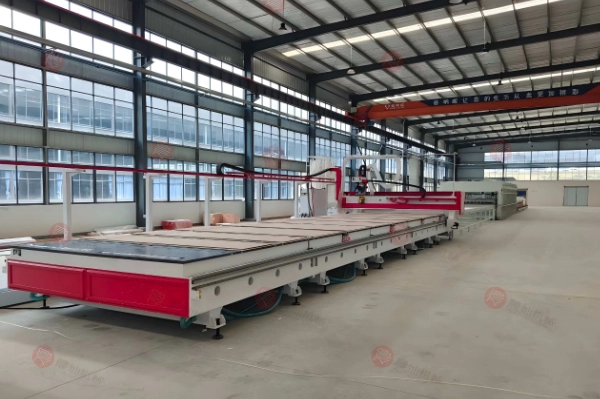
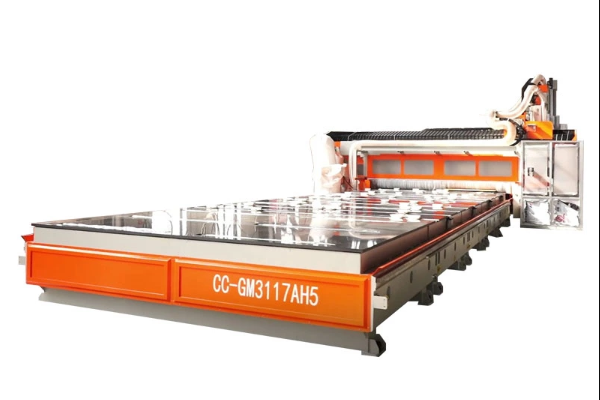
Frame strength comes first in this list. When the machine base and overhead structure lack sufficient solidity, shaking and bending grow worse with time. Consequently, this harms cut precision, spindle steadiness, and the condition of sliding components. A strong framework stands as a key requirement for extended operational years. Without it, even top parts cannot prevent gradual decline.
Spindle load ranks as the next major influence. Operating under steady heavy pressure, particularly with forceful cut parameters or prolonged runs, cuts short the life of parts if the spindle, cooling setup, and cutter approach do not align well with the work. Factories must match these systems carefully to avoid early breakdowns and ensure consistent output.
Dust handling forms the third critical area. Environments for panel cutting often produce substantial dust and scraps, above all when dealing with wood panels, mixed boards, or layered builds. If removal efforts fall short, particles harm track systems, disrupt oil flow, and disrupt electrical functions. Effective dust management thus protects core systems and extends overall usability.
Temperature control marks the fourth essential factor. Parts like electronics, motors, and controls function optimally in even surroundings. Inadequate airflow or excess warmth slowly erodes system dependability. It also raises chances of unexpected halts. Proper cooling strategies help maintain peak performance during intense shifts.
Why Do Component Quality and Assembly Standards Matter So Much?
Even if two machines appear alike on the surface, their ongoing output can vary greatly. A large part of this gap arises from the caliber of the drive setup and the precision in initial assembly at the plant.
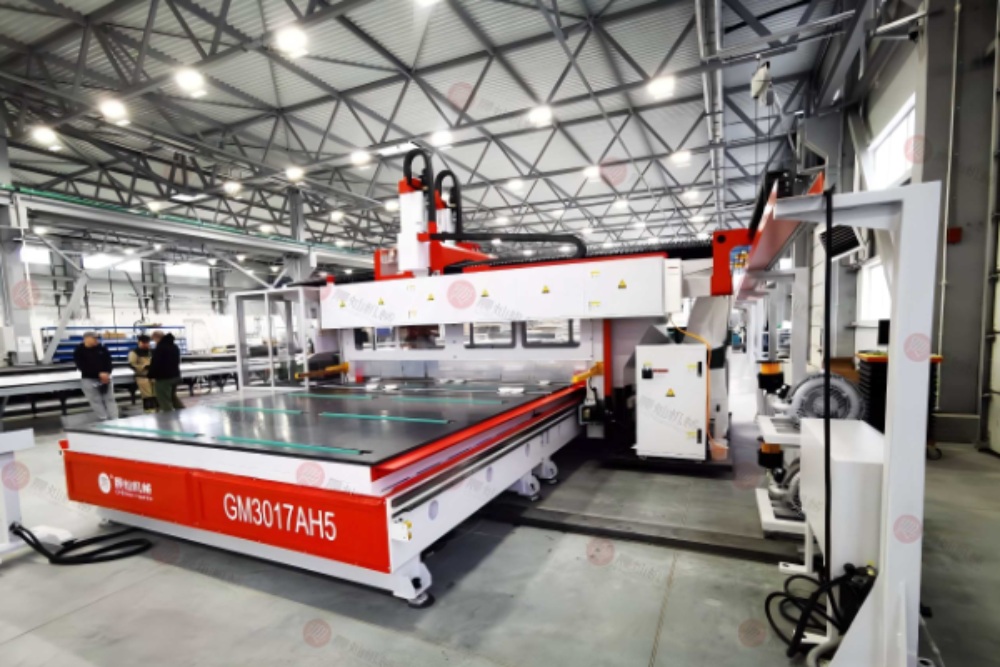
Track systems, motor drives, supports, oil planning, and system linkage all affect the machine’s endurance. A unit with faulty positioning or shaky movement might function fine at the start. However, irregular strain accumulates rapidly afterward. Eventually, this causes tremors, lower exactness, and more repair demands. Such issues disrupt schedules and inflate expenses over time.
On the other hand, equipment made with dependable parts and accurate plant setup fares much better. It sustains even movement, reliable cut results, and foreseeable upkeep schedules. Buyers who select such machines often report fewer headaches and steadier production flows in their facilities.
How Does Application Affect Expected Machine Life?
The machine’s working duration ties closely to the nature of tasks it undertakes. Different jobs place unique stresses on the equipment.
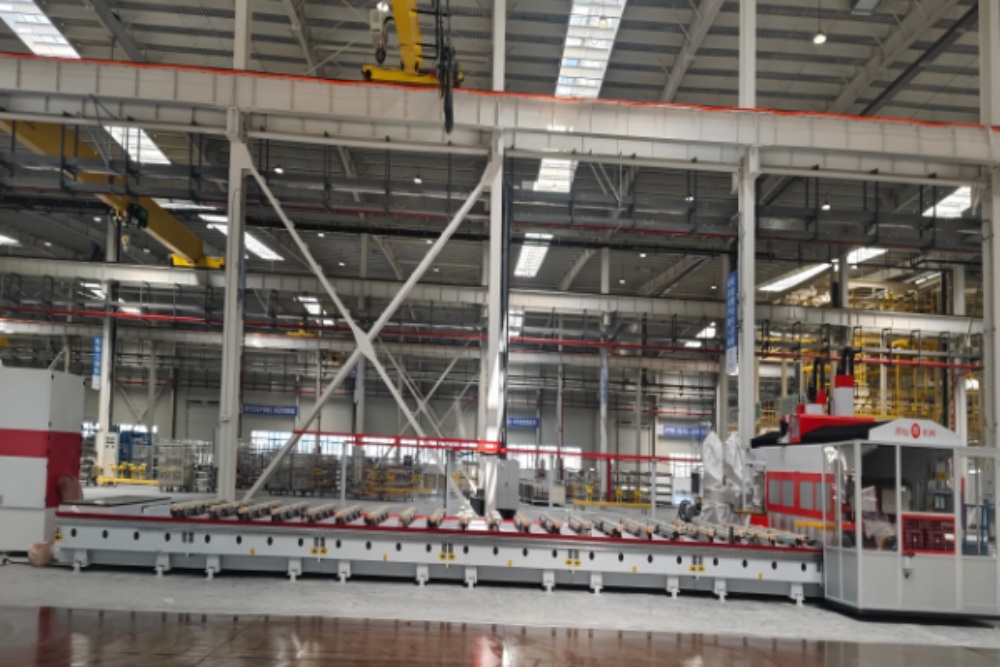
Take, for instance, a CNC panel cutting machine employed in layered panel work for truck builds. This setup encounters a distinct strain pattern compared to one handling simpler board cuts. Thick mixed panels exert greater force on the base frame, suction hold, and cut firmness. In these scenarios, the unit’s toughness relies strongly on whether its design targets heavy, repeated factory tasks. Matching the machine to the job prevents premature wear and supports efficient daily runs.
Task intricacy plays a role too. Sometimes, a 5-axis unit actually eases long-range mechanical pressure. It does this by tracing detailed paths more smoothly, steering clear of awkward tool tilts and constant resets. Yet, in other situations, a basic 3-axis base might deliver superior lasting firmness. This occurs because it involves fewer sliding parts and proves simpler to service. Therefore, the ideal pick avoids unnecessary complexity. It focuses on a setup that aligns best with the workflow needs.
So the best choice is not always the most complex machine. It is the machine configuration that best fits the production task. Facilities that evaluate this fit carefully often achieve better returns on their investments.
How Long Can a Well-Built CNC Panel Cutting Machine Last?
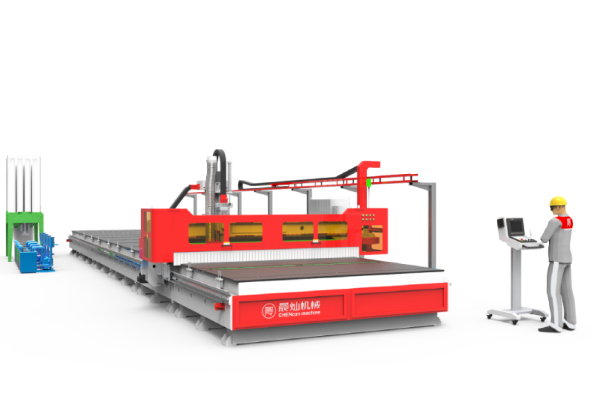
No fixed figure applies everywhere. However, in real factory settings, a solidly made machine with routine care can frequently stay effective for 10 to 15 years. This range reflects typical industrial demands and upkeep efforts.
This timeline does not imply that all pieces endure unchanged. Units like spindles, wear items, supports, tracks, oil parts, and circuits follow their own replacement rhythms. The core issue centers on whether the main frame withstands prolonged factory output through standard servicing and swaps. Strong builds allow for such longevity without constant overhauls.
When the framework holds firm and care follows best practices, extended use becomes achievable. Conversely, if the design proves weak or upkeep lags, output quality drops sooner. Shops that invest in quality and follow guidelines reap the benefits of reliable service over decades.
Can Preventive Maintenance Extend Machine Life?
Yes, it can make a substantial difference. Routine upkeep stands out as a primary reason why some machines endure while others fail prematurely. Consistent efforts in this area preserve performance and cut down on surprises.
Frequent cleaning holds vital importance, particularly in particle-heavy panel cutting areas. Track systems, gear setups, and active zones must stay free of buildup. Neglecting this allows debris to cause friction and damage over shifts. Thus, scheduled wipes keep movements smooth and parts intact.
Oil application carries equal weight. Self-oiling units cut down on errors, but operators should inspect them often. This confirms the flow reaches all necessary spots without interruption. Proper lubrication reduces strain and extends component health across the board.
Alignment checks and reviews prove crucial as well. Regular scans of positioning, spindle state, motor actions, and control wellness spot issues early. They prevent small glitches from escalating into major stops. This proactive approach maintains steady reliability in busy environments.
Worker habits deserve attention too. Faulty setups, wrong cutter picks, ongoing overloads, and avoidable bumps can trim endurance despite solid hardware. Training staff on safe practices ensures the machine receives the care it needs for peak longevity.
How Should Buyers Evaluate Durability Before Purchasing?
To gauge potential endurance prior to a buy, concentrate on hands-on inquiries over sales talk. These questions reveal the true build behind the promises.
Inquire about frame production methods. Find out if main build elements come from internal lines or external sources. Learn the brands for track systems, motors, and controls. Ask regarding pre-shipment testing procedures. Also, check on future upkeep aid and replacement part access. Such details paint a clear picture of long-range support.
It pays to verify if the unit suits your factory materials and pace. Equipment suited for sporadic light duties might struggle under nonstop heavy panel work. A good match ensures the machine handles daily loads without quick fatigue, leading to better overall value.
Why CHENcan Is a Strong Option for Long-Term CNC Durability
تشينكان specializes in factory-grade CNC tools crafted for genuine work settings, including tough panel tasks. Drawing from production know-how since 1998, along with internal frame building skills and ongoing aid history, CHENcan delivers units focused on lasting strength over brief show results. This approach helps clients avoid common pitfalls in equipment selection.
In fields like truck body creation, refrigerated transport panel handling, and big mixed board cuts, endurance rests on more than specs alone. It involves engineering alignment, frame caliber, and post-purchase help. These aspects determine if a CNC unit will sustain output reliably for years. تشينكان‘s emphasis here makes it a dependable pick for forward-thinking sh
 أسئلة متكررة
 أسئلة متكررة
Q1: How long should a high-performance CNC panel cutting machine last?
A: In a well-managed industrial environment, a well-built machine can often remain productive for 10 to 15 years, with normal maintenance and periodic component replacement.
Q2: Does cutting material type affect machine lifespan?
A: Yes. Abrasive materials, composite dust, heavy panel loads, and high-intensity production all increase wear, especially if dust control and maintenance are not handled properly.
Q3: Is a 5-axis machine always less durable because it is more complex?
A: Not necessarily. A 5-axis machine has more moving elements, but in some applications it can reduce stress by following complex cutting paths more naturally. Durability depends on both design quality and application fit.
Q4: What is the most important maintenance practice?
A: Consistent cleaning and lubrication are two of the most important basics, especially for guide rails, motion components, and dusty cutting environments.
Q5: What should buyers check before purchasing if they care about long service life?
A: Focus on frame design, component quality, factory assembly standards, maintenance support, spare-parts availability, and whether the machine is truly matched to the intended production job.


