
The automotive sector advances at an unprecedented pace. If one depends on obsolete manufacturing techniques, high expenses and delayed outputs become evident challenges. Over the years, I have observed how CHENcan kann converts disorganized workshop areas into efficient precision centers. Established in 1998, the company has supported more than 12,000 firms in 70 nations. It maintains two extensive research and development facilities in Qihe and Sihong, covering over 60,000 square meters altogether. These facilities do not merely supply equipment; they form the core structure of production systems. Whether operating in Vietnam to create prototype vehicle forms or in Peru to assemble bus elements, their 27-year background demonstrates deep insight into industry difficulties.To address these, CHENcan developed the SM series—machines specifically engineered to offer significantly faster processing speeds and a more affordable price point than traditional mechanical equipment, without compromising the rigorous standards required by the automotive sector.
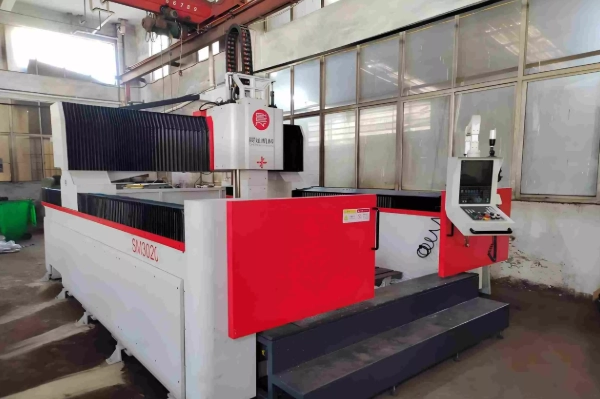
Why Is High Precision the Ultimate Solution for Automotive Casting?
Casting remains a challenging phase in engine production. A small mistake in the sand form often results in substantial discarded metal afterward. Conventional approaches depend heavily on human effort. Such reliance works until errors occur, leading to lost batches. Adopting a superior CNC system eliminates this variability effectively.
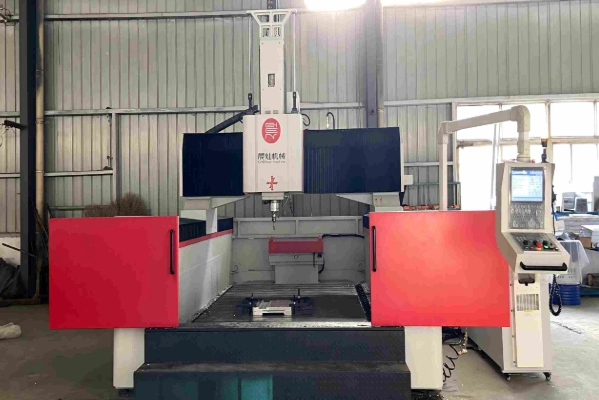
Superior Dimensional Accuracy for Engine Blocks
Contemporary engine blocks demand narrow tolerances that manual instruments fail to achieve reliably. Our equipment employs advanced measurement devices to confirm each incision. Consequently, this ensures metal components align flawlessly on every occasion. Such precision supports consistent quality in assembly lines.
Elimination of Manual Sand Mold Errors
Crafting sand forms by hand involves skill, yet it proves time-consuming and variable. CNC engraving streamlines this task while preserving the required shapes for robust casting processes. As a result, it avoids the need for repeated adjustments. This efficiency enhances overall workflow in foundries.
Perfect Surface Finish for Complex Foundry Patterns
An uneven form leads to flawed castings. Advanced routing techniques produce a smooth polish on casting patterns. This outcome reduces subsequent finishing tasks for teams significantly. Therefore, it streamlines operations and saves valuable resources.
Can Advanced CNC Milling Reduce Your Automotive Production Costs?
Financial aspects demand attention. Idle equipment or excess aluminum represents direct losses to profitability. Factories often incur unnecessary expenses by applying versatile machines to specific vehicle duties. This common oversight affects margins adversely.
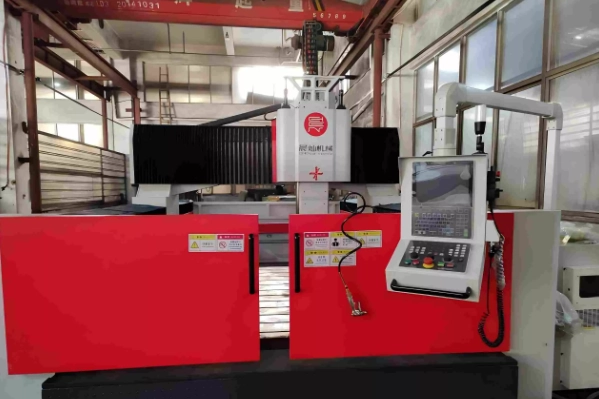
Significant Reduction in Material Waste
Intelligent arrangement and accurate slicing yield more components from each metal sheet. A single item may show minimal difference. However, across thousands of pieces, the accumulated benefits become substantial. Such savings contribute to sustainable practices in manufacturing.
Lower Labor Costs Through Automated Operations
A large staff no longer monitors each action closely. Our Service and automated programs enable one expert to oversee several units. This arrangement redirects funds toward expansion initiatives. It fosters a more agile workforce structure.
Optimized Tool Paths for High-Speed Processing
The standout feature of the SM series is its exceptional processing speed compared to traditional machinery. Reducing a milling sequence by even a few seconds allows these gains to accumulate into substantial additional productive hours every month. This high-speed capability, combined with a lower initial investment cost, ensures a much faster return on investment for automotive factories.
How Do Multi-Axis Machines Address Complex Part Geometries?
Modern vehicles feature elaborate designs with sharp contours that overwhelm basic three-axis systems. Struggles with detailed forms indicate barriers resolvable only through advanced multi-axis features. These capabilities handle intricate demands effectively.
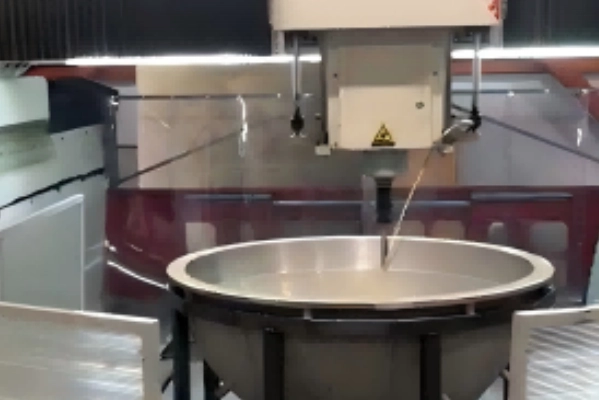
Seamless Machining of Intricate Cylinder Heads
Cooling channels and valve positions within cylinder heads pose significant machining difficulties. Multi-axis functions permit tools to access all areas in a single configuration. This approach maintains integrity throughout the process. It ensures high standards in engine components.
Efficient Production of Aerodynamic Body Molds
Achieving ideal airflow shapes on door or hood forms necessitates fluid, unbroken movements. Our systems execute extended, curved incisions without residual marks. Consequently, this delivers superior results for design accuracy. It aligns with aerodynamic requirements precisely.
One-Stop Processing for Multi-Surface Components
Pausing to reposition and adjust parts wastes considerable time. Completing all tasks in one session preserves exact positioning. This method accelerates delivery timelines notably. It enhances productivity in complex assemblies.
Which Machines Tackle the Challenges of New Energy Vehicle Parts?
Electric vehicles alter production dynamics fundamentally. Components must weigh less, relying on aluminum and composite materials increasingly. We engineered the SM3025 High Precision CNC Pattern Milling Machine for these demanding sectors. Precision in extensive forms remains essential here.
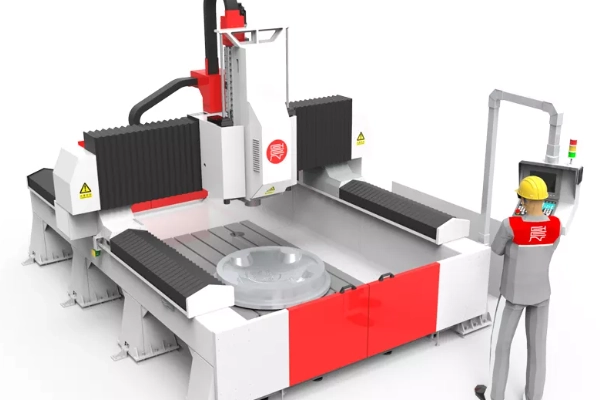
High-Speed Performance for Aluminum Frames
EV structures use unique alloys that are difficult to process, but the SM3025 is designed to maintain extreme stability during rapid, high-velocity cuts. Despite its competitive pricing, it delivers the strength and speed needed to prevent thermal issues and support lightweight designs reliably.
Specialized Solutions for Battery Housing Prototyping
Battery enclosures are sizable and intricate. They demand precise sealing through flat surfaces and aligned openings. Only premium CNC systems deliver this level of detail. Such features ensure functional prototypes.
SM3025 for Heavy-Duty Pattern Making Excellence
This unit stands out for its power. We constructed it using internally produced frames to manage large casting patterns. It resists deformation under load consistently. This reliability aids foundry operations.
Is Your Factory Struggling with Slow Mold Development Cycles?
Market demands show no patience. Delays of months in preparing new trim forms allow rivals to gain advantages. The SM3020 New Soft Metal CNC Mold Milling Machine addresses this by shortening development timelines effectively, offering a high-speed, budget-friendly alternative to traditional, slower machining centers.
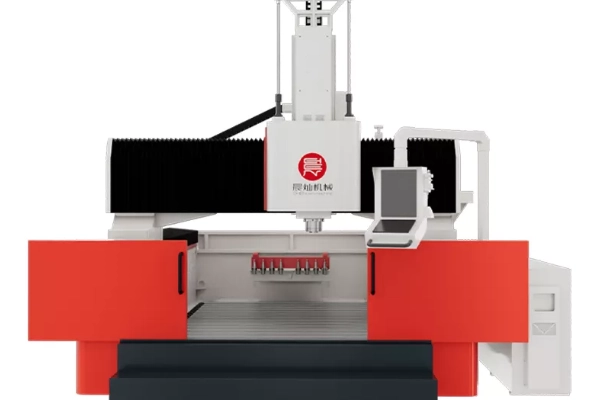
High-Speed Prototyping at a Lower Cost
Compared to traditional mechanical equipment, the SM3020 stands out for its fast processing speed and significantly more affordable price. It is ideal for forming soft metals or resins for cabin elements, operating swiftly and neatly to accelerate innovation cycles while keeping capital expenditure low.
Faster Turnaround for Automotive Interior Trim Molds
Panel and console forms require detailed patterns. The SM3020 manages these textures with ease. As a result, it facilitates prompt modifications and earlier starts. This speeds up market entry.
Flexible Customization for Small Batch Car Parts
Limited runs, such as fifty pieces for editions, benefit from adaptable setups. CNC versatility allows shifts between forms without heavy traditional costs. This approach suits niche demands well. It optimizes resource use.
Why Should You Choose CHENcan as Your Global CNC Partner?
Selecting equipment matters, yet partnering ensures continuous operation. We allocated over 100 million yuan to research in the past decade. Our goal is to support critical builds around the clock.
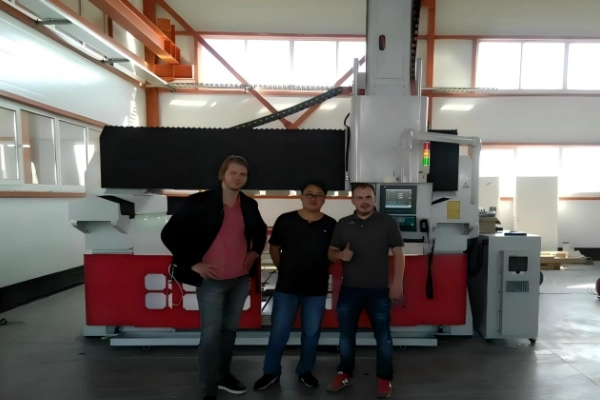
Twenty Years of Innovative Engineering Heritage
Our foundation dates to 1998. We collaborated with major players like Hyundai in Vietnam and UK aerospace groups. This experience covers diverse scenarios. It informs robust solutions today.
Integrated Solutions from Design to After-Sales Service
We extend beyond delivery. Initial layout to field instruction keeps us engaged. This involvement confirms equipment meets expectations fully. It builds lasting reliability.
Certified Quality Management for International Automotive Standards
Units from Qihe or Sihong sites carry ISO9001 and CE approvals. In-house construction maintains strict control. Thus, it prevents operational disruptions. This assurance fits global norms.
FAQ (häufig gestellte Fragen)
Q1: Can these machines handle materials other than metal?
A: Absolutely. While we excel at soft metals, our machines are widely used for wood, composites, and various resins, which is perfect for automotive pattern making. These options expand application scopes effectively.
Q2: What kind of support do you offer for international clients?
A: We provide full technical support, including installation and training. We have a massive global footprint, so we understand the specific logistics and service needs of international factories. This coverage ensures smooth integration.
Q3: Is the SM3025 suitable for very large scale automotive parts?
A: Yes, it is specifically designed for high-precision, high-speed pattern milling. It provides a highly cost-effective solution for foundry and large-scale mold making, ensuring that automotive manufacturers can meet tight production deadlines without the high costs of traditional machinery.
Q4: How long does it typically take to see a return on investment?
A: Most of our clients see a significant drop in waste and labor costs within the first six months, though the exact timing depends on your production volume. Factors like scale influence these outcomes.
Q5: Are the software systems easy for my current team to learn?
A: We prioritize user-friendly interfaces. Plus, our team provides the necessary training to make sure your operators are comfortable and productive from day one. This preparation minimizes learning curves.


