If your EPS foam moulds come off the machine with melted edges, torn beads, or uneven dimensions, spindle speed is usually part of the problem. But RPM by itself is not the whole story. Precision depends on how spindle speed works together with feed rate, cutter geometry, foam density, and machine stability.
For pattern mould manufacturers, that matters because small cutting errors quickly become expensive downstream problems. A rough foam surface adds hand finishing time. A dimensional error changes the casting result. And unstable cutting parameters shorten tool life even when the material looks soft.
This article explains how spindle speed affects cutting precision, what the most common failure signs look like, and how to choose safer starting parameters for different foam materials on a pattern mould CNC machine.

Why spindle speed directly affects cutting precision
Spindle speed controls the interaction between the cutter and the material at the cutting edge. In foam mould machining, three effects matter most.
- Heat generation. When RPM is too high for the material and feed rate, the cutter rubs instead of shearing cleanly. That heat softens EPS, smears bead edges, and can leave fused lumps on the surface.
- Chip evacuation. Correct spindle speed helps each flute take a clean bite and release material before it re-cuts the same area. If chips stay in the cut, the edge quality drops fast.
- Surface finish and geometry. Stable RPM reduces chatter, tool pull, and inconsistent cutting depth, which is critical when the mould needs repeatable curves, corners, and parting lines.
What wrong spindle speed looks like on the workpiece
When spindle speed is too high, the most common signs are melted edges, powder instead of clean chips, a hot cutter, and a shiny or smeared foam surface. Operators often mistake this for a tooling issue when the real problem is excess friction.
When spindle speed is too low, the cutter tends to tear rather than slice. You may see bead breakout, rough walls, chatter marks, and dimensional drift on corners or stepped features. In denser boards, low RPM can also increase cutting load and make the machine sound strained.
In both cases, the mould may still look roughly complete from a distance, but the finishing time rises and the dimensional accuracy becomes harder to trust.
Safe starting ranges by material type
These are starting ranges, not universal settings. Final numbers should still be adjusted based on cutter diameter, flute count, feed rate, depth of cut, and the actual machine response.
| Material | Starting RPM Range | General Feed Direction | What to Watch |
| Low-density EPS foam | 14,000 to 18,000 RPM | Higher feed, light and clean cut | Avoid edge melting and bead compression |
| Medium-density EPS or similar foam | 12,000 to 16,000 RPM | Balanced feed and chip evacuation | Watch for re-cutting and rough sidewalls |
| Dense tooling board or polyurethane board | 10,000 to 14,000 RPM | Moderate feed, higher torque demand | Avoid heat buildup, smoke, and tool loading |
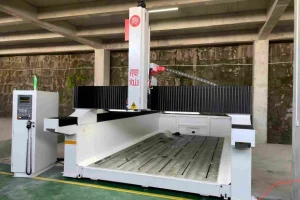
Why feed rate matters as much as RPM
A common mistake is adjusting spindle speed alone. In reality, spindle speed and feed rate must stay in balance so each flute removes a usable chip instead of rubbing the same surface repeatedly.
A simple way to think about it is chipload: chipload = feed rate / (RPM x flute count). If chipload is too low, the cutter polishes and heats the foam. If chipload is too high, the edge can tear and the cut becomes unstable.
The practical rule is simple: change one variable at a time. If the edge is melting, either reduce RPM or increase feed. If the edge is tearing, reduce the load slightly and retest. A short test block is cheaper than reworking a full mould.
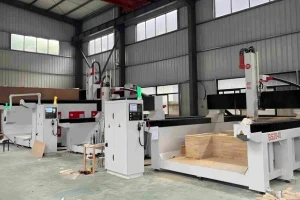
Machine features that help hold precision
Even correct parameters will not hold if the machine cannot keep RPM stable under load. When evaluating a pattern mould CNC machine, pay attention to these points:
- Spindle and inverter quality, because weak control causes RPM fluctuation when the cut gets heavier.
- Gantry and frame rigidity, because vibration shows up directly as poor surface finish and dimensional inconsistency.
- Servo response and motion smoothness, because foam moulds often include long curves, transitions, and layered geometry that expose hesitation or backlash.
- Dust and chip removal, because trapped debris increases re-cutting and heat at the tool.

Which type of machine fits which mould job
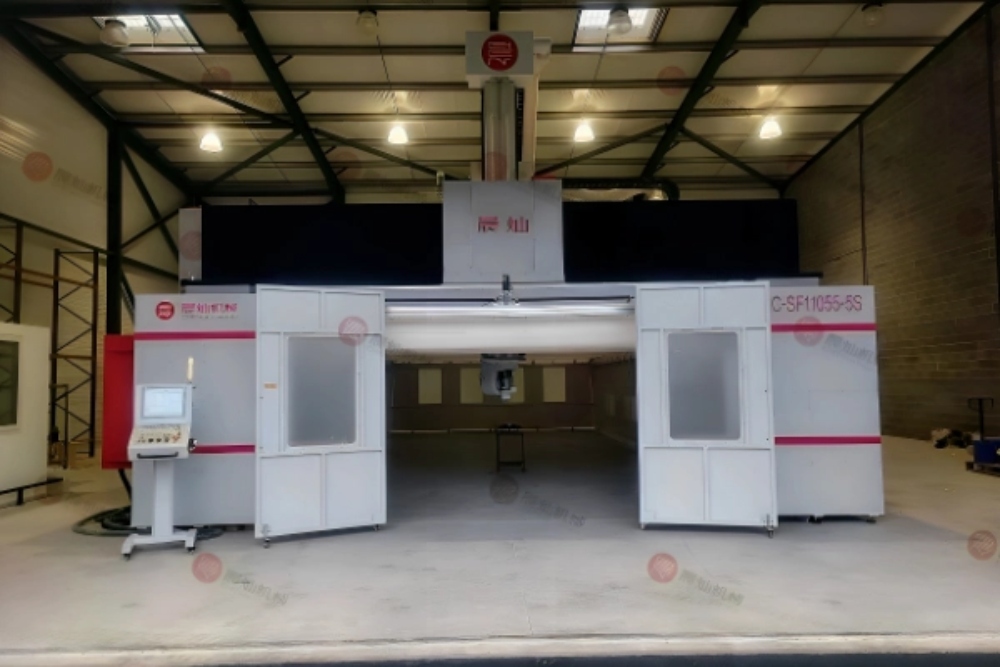
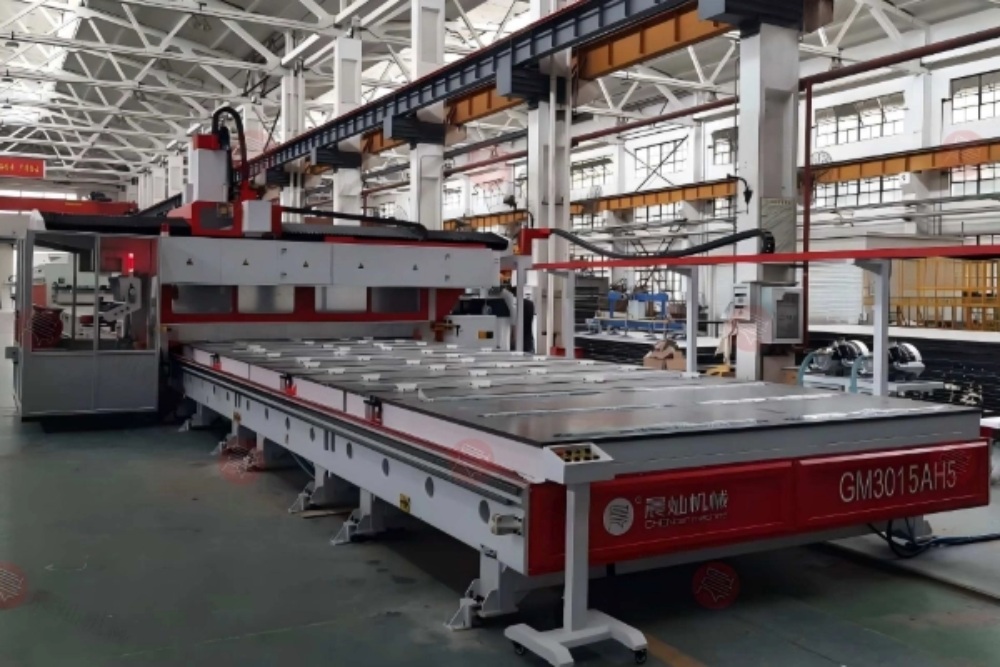
For standard packaging moulds, foundry patterns, or large-volume EPS roughing, an economical pattern mould CNC machine can be enough if the spindle control is stable and the structure is rigid. The goal there is dependable daily output, not just maximum specification on paper.
For thicker blocks, tighter curves, and higher repeatability requirements, a 3-axis CNC mould machine is usually the safer choice. Better motion control and stronger spindle support make it easier to hold finish quality while changing RPM and feed settings across different jobs.
The real buying question is not only how fast the spindle can spin. It is whether the machine can keep that speed stable while the cutter is actually inside the material.
FAQ (häufig gestellte Fragen)
Q: What is the ideal spindle speed for EPS foam cutting?
A: There is no single universal RPM. A practical starting window is often 14,000 to 18,000 RPM for lighter EPS, then fine-tune from there based on feed rate, cutter size, and cut quality.
Q: Why does foam still melt even when the RPM looks normal?
A: Because feed rate may be too low, chip evacuation may be poor, or the cutter may be dull. Normal-looking RPM alone does not guarantee a correct cut.
Q: Should harder foam always use higher spindle speed?
A: No. Denser boards usually need more controlled RPM and more torque. Running too fast can increase heat and damage both the tool and the surface.
Q: How often should spindle accuracy be checked?
A: For production work, periodic checks of spindle runout, sound, heat, and actual speed accuracy are worth doing because precision problems often start gradually.
Conclusion
Spindle speed affects much more than how fast a cutter rotates. It directly influences heat, surface finish, dimensional control, and tool life. For pattern mould work, the best results come from treating RPM as part of a cutting system, not as a standalone setting.
If you are reviewing a new pattern mould CNC machine or troubleshooting current foam quality issues, start with the material, cutter, feed rate, and spindle stability together. That is the faster path to cleaner moulds and less rework.