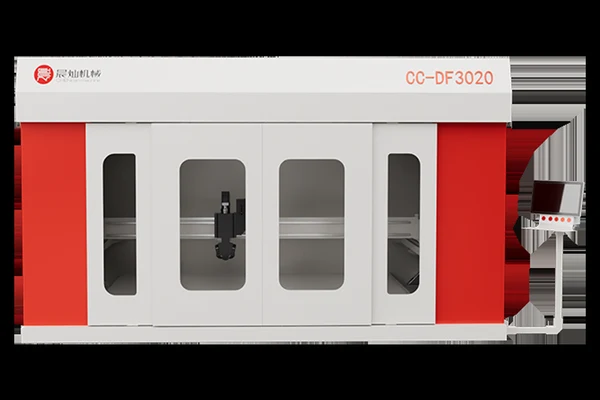
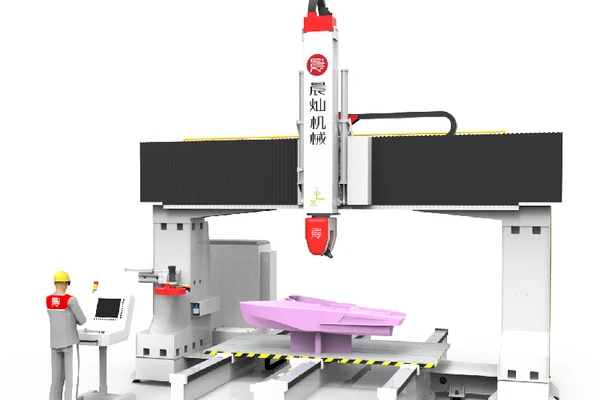
“Installation included” is worth a closer look in a machine quotation. Does it include unloading? Who approves the foundation? What has to be ready before the visiting engineer sets off? For a large gantry, those questions belong in the purchase discussion. Leaving them until delivery can put a machine in the workshop without the arrangements needed to use it.
The starting point for CNC machine installation is the drawing of the machine you’ve actually ordered. With that in hand, you can work through access to the building, the floor assessment and the services the machine will need. Agree how you’ll accept the finished installation at the same time. The guidance here is for a mold shop planning those jobs. Lifting and electrical work need qualified specialists following the manufacturer’s instructions and the requirements that apply locally.
Start with a machine-specific installation pack
Start by dating the drawing. A layout attached to an early quotation may predate a change of enclosure or tool changer, leaving the contractor to plan around equipment that won’t be delivered. Ask the supplier for the current revision and keep it with the shipping breakdown, component weights, utility schedule, and division of work. The revision number is important when copies are going to several contractors.
For a CHENcan five-axis CNC center, the discussion should include a representative mold and fixture, not only the machine outline. Draw the cabinets open and show the moving envelope. Put the handling device where it will stand during loading. If that leaves no room to open a cabinet, the layout needs attention while it is still a drawing.
Responsibility is another part of the pack. An entry saying “customer preparation” doesn’t identify who will obtain foundation approval or arrange unloading. Assign those jobs individually, including who confirms that the utility work is finished. Installation, training, travel expenses, and exclusions should be settled in the order. Civil work must not be assumed to form part of the engineer’s visit.
Check the delivery route and the floor together
A wide door can lead into a narrow turning space. Measure that turn with the rigging contractor before deciding that the machine will fit through the building. The load they’re moving includes its packaging, and the handling equipment needs room of its own beneath any overhead pipework. Take the shipping drawings on the survey; the brochure’s assembled footprint won’t answer these questions. Continue the survey as far as the final setting-down position, taking account of changes in level along the way.
A sectional delivery raises a different problem: one load can be in the way of the next. Mark temporary positions on the layout and talk through the arrival sequence with the supplier and rigging contractor. Their plan needs the manufacturer’s lifting information, rather than assumptions about what the frame can take. Keep the unloading area under controlled access for the duration of the move.
Obtain the foundation requirements before civil work
“The floor looks fine” is a visual observation, not a structural assessment. To answer the engineering question, someone qualified needs to put the building records together with the machine’s support loads and anchoring details. A joint or an underground service may be exactly where a support is planned. Cracks and nearby vibration sources are other matters for the assessor. Copying the slab thickness used at another factory tells you very little about this one.
The delivery date needs to allow for civil work, including any specified curing and inspection. File the approved arrangement with the installation drawings. That approval doesn’t automatically cover a support moved to another position or a different anchoring detail. Take a proposed change back for engineering review before asking the installation crew to work to it.
Verify utilities at the connection point
A spindle’s nameplate doesn’t describe the electrical needs of the whole installation. Auxiliaries count too. Give the electrician the schedule for the ordered configuration, rather than asking for a supply based on the spindle rating alone. Mark the connection on the layout so there’s no ambiguity about where the installation ends. The electrician must also review grounding and protection against the manufacturer’s instructions and local requirements.
“We already have compressed air” leaves a few questions unanswered. How much reaches the machine when the rest of the shop is using it? A reading beside the compressor doesn’t tell you the inlet pressure or available flow under those conditions. Air quality needs checking too. Give the contractor the machine’s requirements and ask for the assessment at that connection, including its drying, filtration, drainage and isolation arrangements.
For a second look at the subjects your plan covers, try the Haas pre-installation checklist. Compare its categories, including placement, foundations, power and air, with your notes. Don’t copy its specifications into a CHENcan installation order. The supplier’s documents for the purchased configuration are the ones to use for that.
Include extraction and waste handling
Start the extraction discussion with the material and operation, even if a dust collector is already standing nearby. Its suitability still needs assessing. Give the designer the planned mix of wood, foam or composite work so that exposure and fire hazards can be considered for those materials. On the layout, trace the proposed duct back from the connection: can cabinets still open, and is it clear of the moving machine?
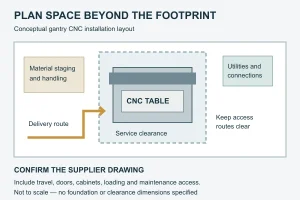
Make space for the whole working cycle
Try the layout with a particular blank in mind. Follow it from storage onto the table, with its fixture and handling device, then follow the finished mold out. Where does the operator stand during setup? Where do offcuts collect? A loading route through the service space is a conflict worth finding on paper. So is a setup that would put someone in a restricted area. Tools and inspection equipment need a place as well.
Bring the job mix into a discussion of the CHENcan mold machining equipment range. Two blanks might occupy much the same space and need quite different handling: compare a bulky foam pattern with a denser tooling block. Work through the layout with the sort of part the shop actually intends to make.
Space isn’t the only reason to reject a proposed position. It may fit the machine perfectly but put it beside a heat source, in a draft or in direct sunlight. Raise those conditions with the supplier against its environmental requirements. The test record has a related job: it should say what warm-up and stabilization procedure was agreed and followed. Otherwise, a later comparison starts with an unanswered question about the machine’s state.
Separate commissioning from production acceptance
After power-up, ask the installer to walk through the commissioning record. Which alignment and configuration work has been completed? Have the safety functions and controlled movements prescribed by the supplier been tested? Leave unfinished entries open. A working control screen answers none of those questions on its own.
Acceptance comes back to what the order promises. A report saying “accuracy checked” leaves unanswered what was measured, where, with which instruments and method, and under what machine conditions. Repeatability and positioning accuracy are different observations; neither by itself establishes the dimensions or finish of a machined mold.
Renishaw’s machine calibration systems show tools used to examine different aspects of machine motion. Ask which measurements are included in the agreed test and retain the reports. The phrase “laser calibrated” cannot substitute for the details of what the test found.
Run an agreed machining test
What do you want the sample cut to demonstrate? For a deep-mold job, choosing a part with only shallow features would make the demonstration less useful, however good that sample looked. Put a representative part forward before the visit and agree the material, fixture and tools with the supplier. Decide the inspection positions and acceptance limits then, not after seeing the cut. Remember that the fixture and cutting process affect the result too. There is a reason to retain both this inspection report and the axis measurements: they don’t isolate the same things.
Complete training and document the handover
Before confirming the visit, ask who will be on shift for the training. Someone scheduled to run the machine the following night may otherwise miss it altogether. Work through the supplier’s procedures with the people who will use them, from setup and tool changes to routine checks, safe stopping and recovery. At the end, don’t leave the manuals in an unknown location. Point out the maintenance schedule and supplied configuration backups as well, and establish which jobs staff must refer to specialist service.
For CHENcan, installation and training are described on the service support page, alongside maintenance and related assistance. The scope purchased is the scope in your order. A promise to deal with an unfinished job later needs a name and a date in the handover notes. An unresolved safety-critical problem is not a routine follow-up job: it has to be resolved before sign-off, even if production was due to begin.
FAQ
How early should installation planning begin?
During the order discussion, before delivery has become the immediate deadline. The drawings will tell you what needs assessing and arranging. How early contractors must start depends on the actual civil and utility work, not a standard lead time.
Can an existing workshop floor be used?
Only after its suitability for this machine has been assessed. The structural professional needs the building records and the manufacturer’s loading, support and anchoring information, not just photographs of the floor.
What should be signed off before production starts?
Use the agreed handover procedure and its supporting commissioning, safety, acceptance and training records. A noncritical job can have an owner and follow-up date; an unresolved safety-critical fault prevents sign-off.
Send a readiness plan before booking installation
The CHENcan technical team needs enough information to review readiness before a visit is booked. Send the layout and route survey, the foundation approval and utility confirmation, and your proposed acceptance test. Include any question about who is doing what. Once those points are settled, keep the agreed plan with the other CNC machine installation documents for both parties to use.